
 Russian
 Armenian
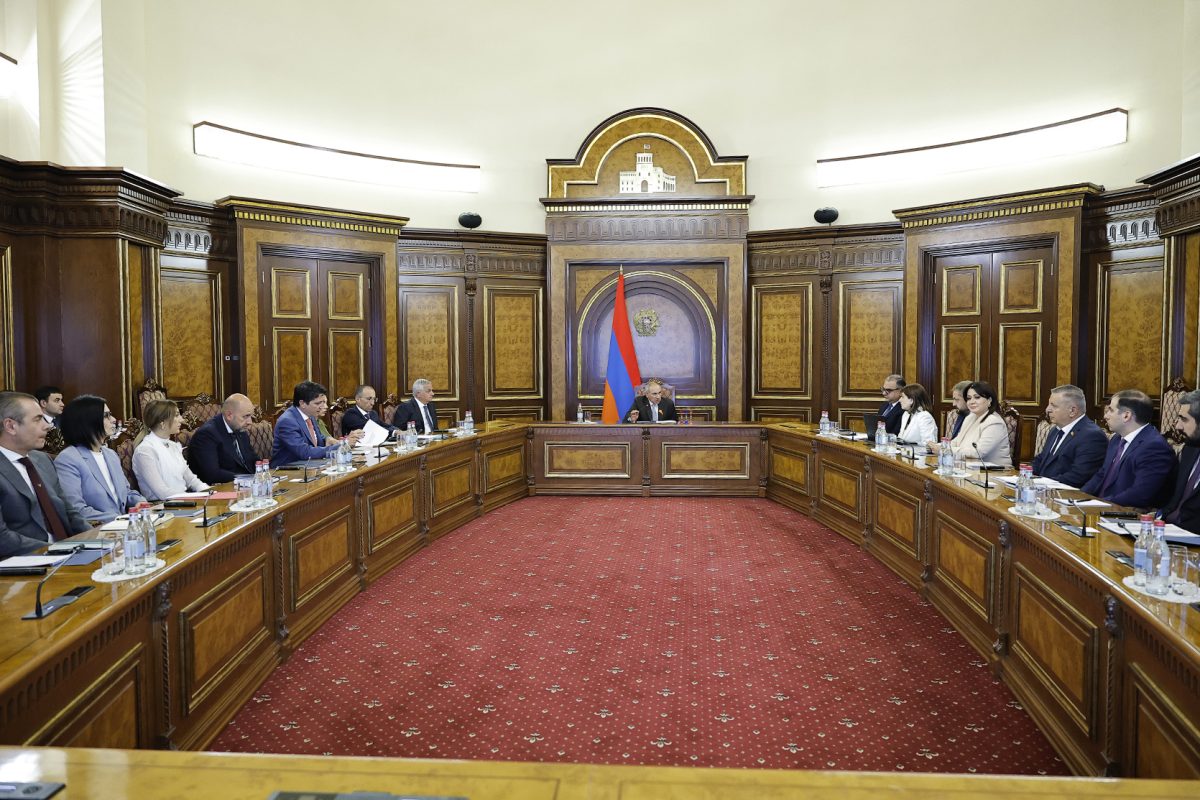
In a recent consultation led by Prime Minister Nikol Pashinyan, the Armenian government explored the possibility of subsidizing health insurance for workers earning up to AMD 200,000 per month. This initiative is part of a broader strategy aimed at implementing universal health insurance in Armenia by 2027. The meeting brought together various stakeholders to discuss the specifics of this ambitious plan, which aims to enhance healthcare access for lower-income workers.
The proposed health insurance subsidies would significantly impact the lives of many Armenians, particularly those in lower-income brackets. By providing financial assistance for health insurance, the government seeks to alleviate the burden of medical expenses on workers who may struggle to afford adequate healthcare. This initiative aligns with global trends towards universal health coverage, which aims to ensure that all individuals have access to necessary health services without financial hardship.
During the consultation, participants discussed the role of employers in contributing to health insurance payments. The involvement of employers is crucial, as it could lead to a more sustainable model for funding health insurance. By sharing the financial responsibility, the government hopes to create a system that is not only beneficial for employees but also manageable for businesses, especially small and medium-sized enterprises that may find it challenging to bear the full cost of employee health insurance.
The discussion on health insurance comes at a time when Armenia is working to improve its overall healthcare system. The government recognizes that access to quality healthcare is a fundamental right and is committed to ensuring that all citizens can receive the medical attention they need. The introduction of universal health insurance is seen as a vital step in achieving this goal, and the proposed subsidies for low-income workers represent a significant move towards inclusivity in healthcare.
For the Armenian-American community, this development is particularly noteworthy as it reflects the ongoing efforts of the Armenian government to address social issues that affect its citizens. Many members of the diaspora are closely connected to their homeland and may have family members who would benefit from such initiatives. Understanding the implications of these policies can foster a deeper connection between the diaspora and Armenia, encouraging support for reforms that aim to improve the quality of life for all Armenians.
Looking ahead, the government will need to outline the specific mechanisms for implementing these subsidies and ensure that they are accessible to those who need them most. Stakeholders will likely continue to engage in discussions to refine the details of the plan, including how to effectively involve employers and manage the financial aspects of the proposed health insurance system. As the 2027 deadline approaches, the Armenian government will need to act decisively to ensure that the vision of universal health insurance becomes a reality.
In conclusion, the consideration of health insurance subsidies for low-income workers is a promising step towards a more equitable healthcare system in Armenia. By addressing the needs of vulnerable populations, the government is taking significant strides towards achieving universal health coverage, which is essential for the overall well-being of the nation. As developments unfold, it will be important for the Armenian-American community to stay informed and engaged with these critical issues affecting their homeland.