
 Russian
 Armenian
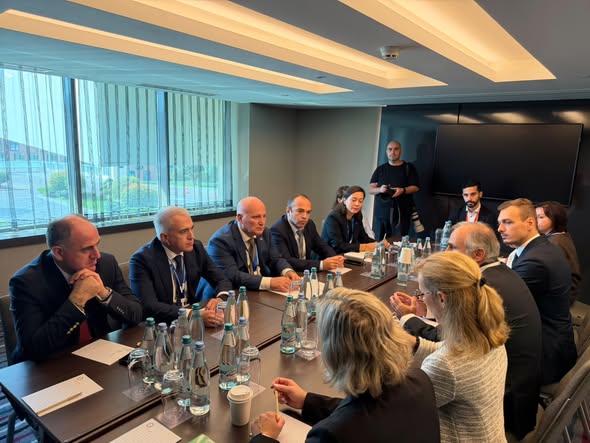
In a significant development for regional energy cooperation, the Chairman of Armenia’s Public Services Regulatory Commission (PSRC), Mesrop Mesropyan, recently participated in discussions focused on energy integration with Türkiye. This meeting took place during the 9th World Forum on Energy Regulation (WFER IX) held in Tbilisi, Georgia. The forum gathered energy regulators and stakeholders from various countries to discuss pressing energy issues and regulatory frameworks.
Mesropyan was joined by Pedro Verdelho, the President of the Council of European Energy Regulators (CEER), along with representatives from the EU4Energy program. Their discussions centered around the potential for enhanced energy cooperation among Armenia, Georgia, Azerbaijan, and Türkiye, highlighting the importance of regional collaboration in addressing energy needs and challenges.
The backdrop of these talks is the ongoing energy crisis in Europe and the need for diversification of energy sources. With Türkiye's strategic position as a transit country for energy supplies, the integration of energy systems among these nations could provide a more stable and secure energy supply for the region. This is particularly relevant for Armenia, which has been seeking to diversify its energy sources and reduce reliance on any single country.
Energy integration is not only about securing energy supplies but also about fostering economic ties and regional stability. The discussions at the forum underscored the potential for joint projects that could benefit all parties involved. For Armenia, this could mean improved access to energy markets and potentially lower energy costs for consumers.
In addition to Mesropyan, Davit Narmania, the Chairman of Georgia’s National Energy and Water Supply Regulatory Commission, was also present at the meeting. His involvement signifies Georgia's commitment to playing a central role in regional energy discussions, especially as it seeks to strengthen its energy infrastructure and enhance its role as a transit hub.
The implications of these discussions extend beyond immediate energy concerns. They also touch upon broader geopolitical dynamics in the South Caucasus region. As Armenia, Georgia, and Azerbaijan navigate their relationships with Türkiye and each other, energy cooperation could serve as a foundation for improved diplomatic relations and economic collaboration.
Looking ahead, the next steps for these nations may involve the establishment of joint working groups to explore specific energy projects and initiatives. Continued dialogue and collaboration among energy regulators and policymakers will be crucial in translating these discussions into actionable plans that can benefit the region as a whole.
For the Armenian-American community, these developments are particularly relevant as they highlight Armenia's proactive approach to energy security and regional cooperation. Engaging with neighboring countries in energy matters could lead to more stable economic conditions and ultimately benefit the diaspora through enhanced ties with their homeland.