
 Russian
 Armenian
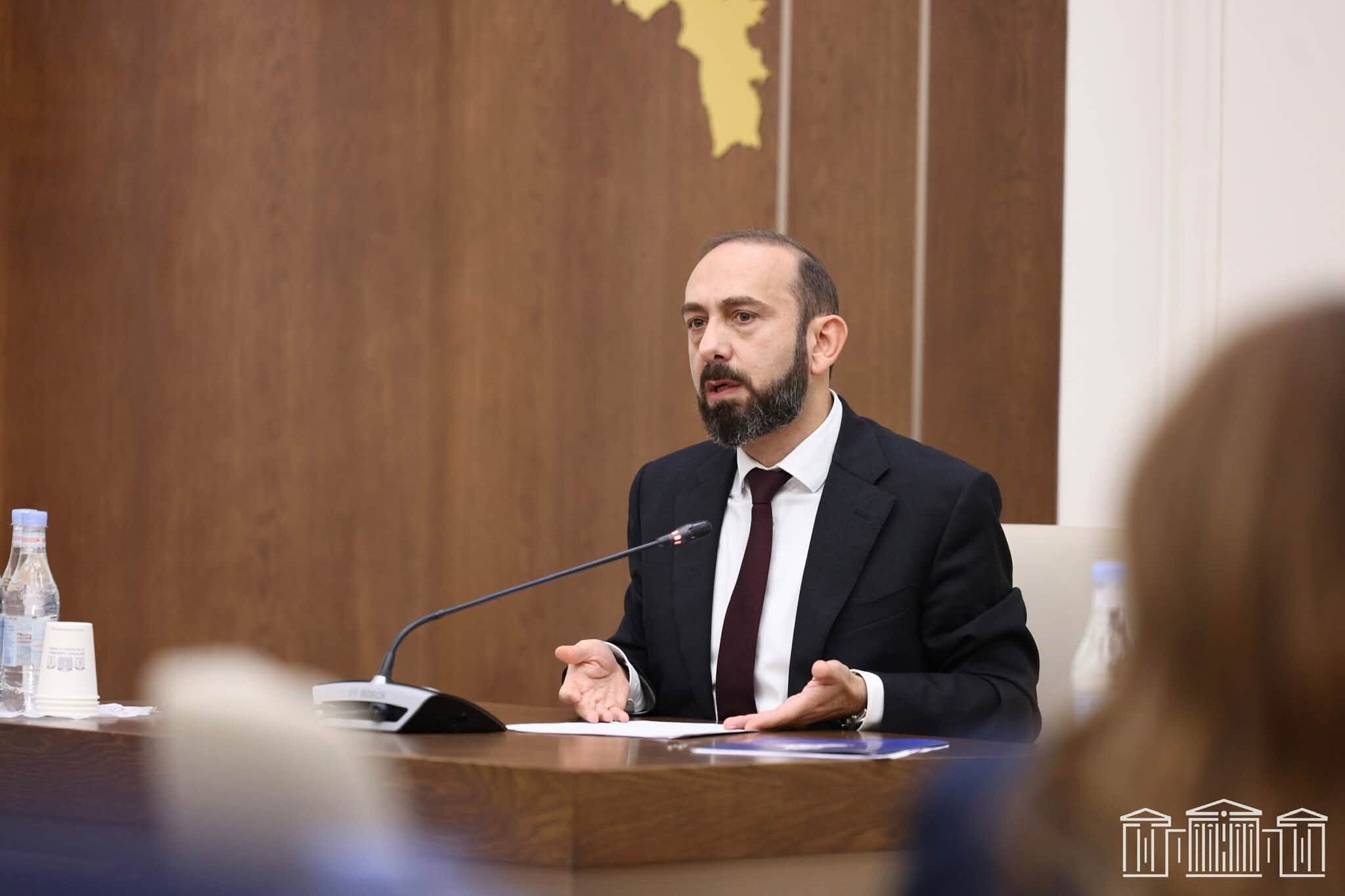
In a recent statement, Armenian Foreign Minister Ararat Mirzoyan addressed concerns regarding the transit of prohibited goods under the Trans-Caspian International Transport Route (TRIPP). He made it clear that the agreement explicitly forbids the transit of items such as weapons and ammunition, reinforcing Armenia's commitment to maintaining peace and security in the region.
The TRIPP agreement, which aims to enhance trade connectivity between Europe and Asia through the Caspian Sea, has been a focal point for Armenia and its regional partners. Mirzoyan's remarks come in the wake of discussions surrounding the potential for increased trade and economic collaboration among the countries involved in the route. The Armenian government is keen to promote transparency and adherence to international norms in all trade activities.
Mirzoyan's clarification is particularly relevant given the ongoing geopolitical tensions in the South Caucasus. The region has a complex history marked by conflicts and disputes, making it essential for Armenia to establish clear guidelines regarding what can and cannot be transported under the TRIPP framework. By explicitly stating that weapons and ammunition are prohibited, the Armenian government aims to alleviate concerns from neighboring countries and international partners about the potential for military escalation.
This announcement is also significant for the Armenian-American community, as many members are actively engaged in discussions about regional security and economic development. The clarity provided by the Foreign Minister may help foster a more stable environment for trade, which could benefit Armenian businesses both in Armenia and in the diaspora.
Moreover, the emphasis on compliance with TRIPP regulations reflects Armenia's strategic approach to international relations. By adhering to the rules set forth in this agreement, Armenia positions itself as a responsible actor in the region, which could enhance its diplomatic standing and attract foreign investment. This is particularly important as the country seeks to recover and grow its economy following recent conflicts.
Looking ahead, the Armenian government is expected to continue its efforts to engage with regional partners to promote trade and economic cooperation. The Foreign Minister's statement may pave the way for further discussions on how to enhance the TRIPP framework while ensuring that all parties are aligned on the principles of peace and security.
In conclusion, the Armenian Foreign Minister's clarification regarding the transit of prohibited goods under TRIPP underscores Armenia's commitment to maintaining a secure and transparent trading environment. This is a crucial step not only for regional stability but also for fostering economic growth and collaboration among Armenia and its partners.