
 Russian
 Armenian
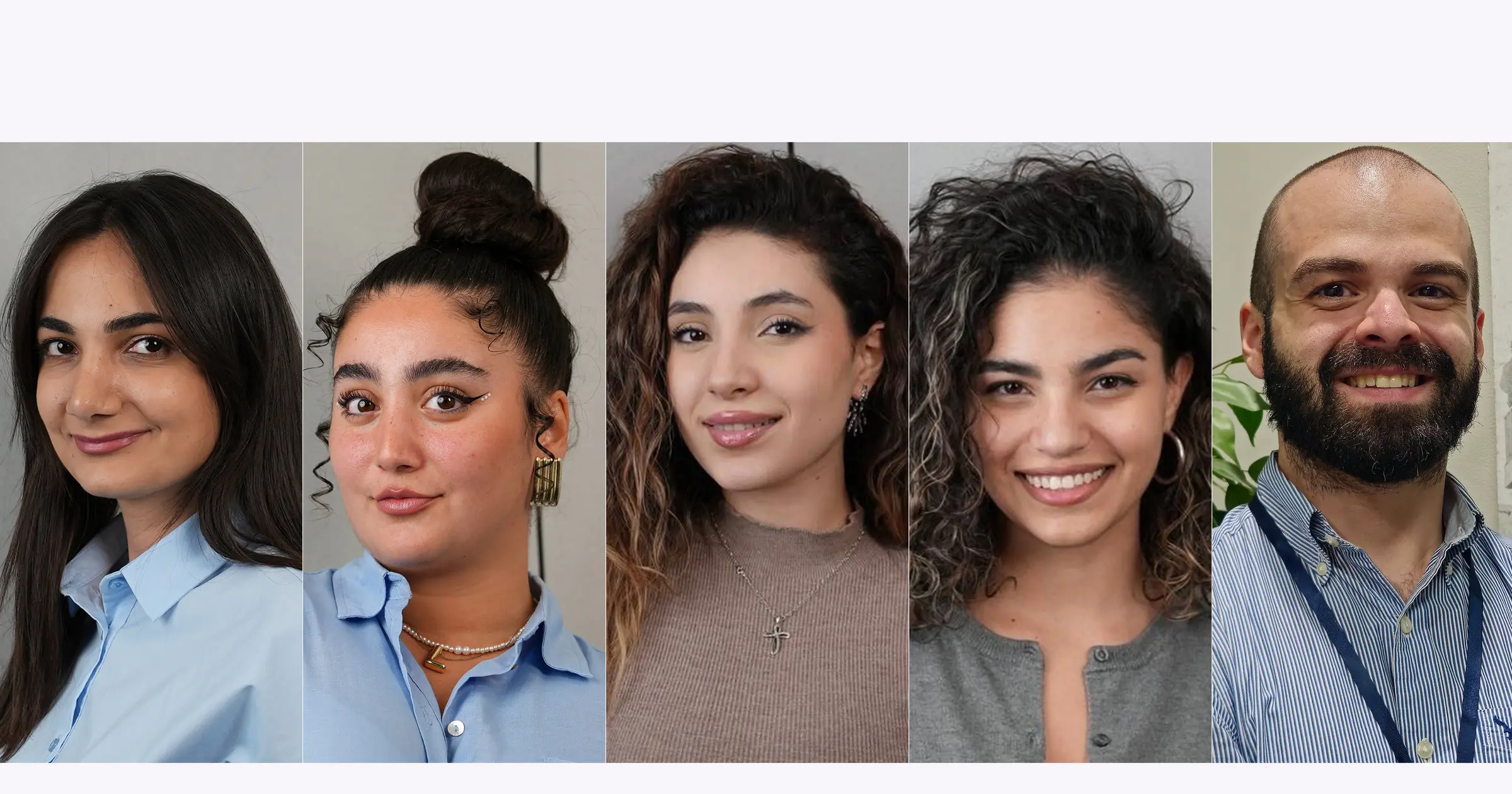
A unique program in Spokane is providing Armenian graduate students with the opportunity to develop their journalism skills in real-world newsrooms. This initiative is part of a broader effort to foster professional growth among young Armenians and to build connections between the local media landscape and the Armenian community. The students are gaining valuable experience that will aid them in their future careers, while also contributing diverse perspectives to the journalism field.
The program has attracted a group of talented individuals who are pursuing their graduate studies in journalism. These students come from various backgrounds, but they share a common goal: to enhance their reporting and storytelling abilities. By working alongside seasoned journalists, they are learning the intricacies of news gathering, writing, and editing, which are essential skills in the fast-paced world of media.
One of the key aspects of this initiative is the mentorship provided by experienced journalists in Spokane. These mentors are not only sharing their knowledge but also offering insights into the ethical considerations and challenges faced in the journalism profession. This hands-on training is invaluable for the students, as it prepares them for the realities of working in a newsroom and helps them understand the importance of responsible reporting.
Moreover, this program serves as a bridge between the Armenian diaspora and the local community. By integrating Armenian students into Spokane's media environment, it promotes cultural exchange and understanding. The students are able to share their unique perspectives and experiences, enriching the local news narrative and fostering a greater appreciation for diversity in journalism.
The importance of this initiative extends beyond individual skill development. It highlights the growing presence of Armenians in various professional fields, including media. As these students gain experience and confidence, they are likely to become influential voices in journalism, advocating for issues that matter to the Armenian community and beyond.
As the program progresses, it is expected that more Armenian students will participate, further strengthening the ties between the Armenian community and the media. The success of this initiative could inspire similar programs in other cities, creating a network of Armenian journalists who are equipped to tell their stories and represent their communities effectively.
In conclusion, the journalism training program for Armenian graduate students in Spokane is a significant step towards empowering the next generation of journalists. It not only equips them with essential skills but also fosters a sense of community and cultural pride. As these students embark on their careers, they will carry with them the lessons learned and the connections made, contributing positively to both the Armenian diaspora and the broader media landscape.