
 Russian
 Armenian
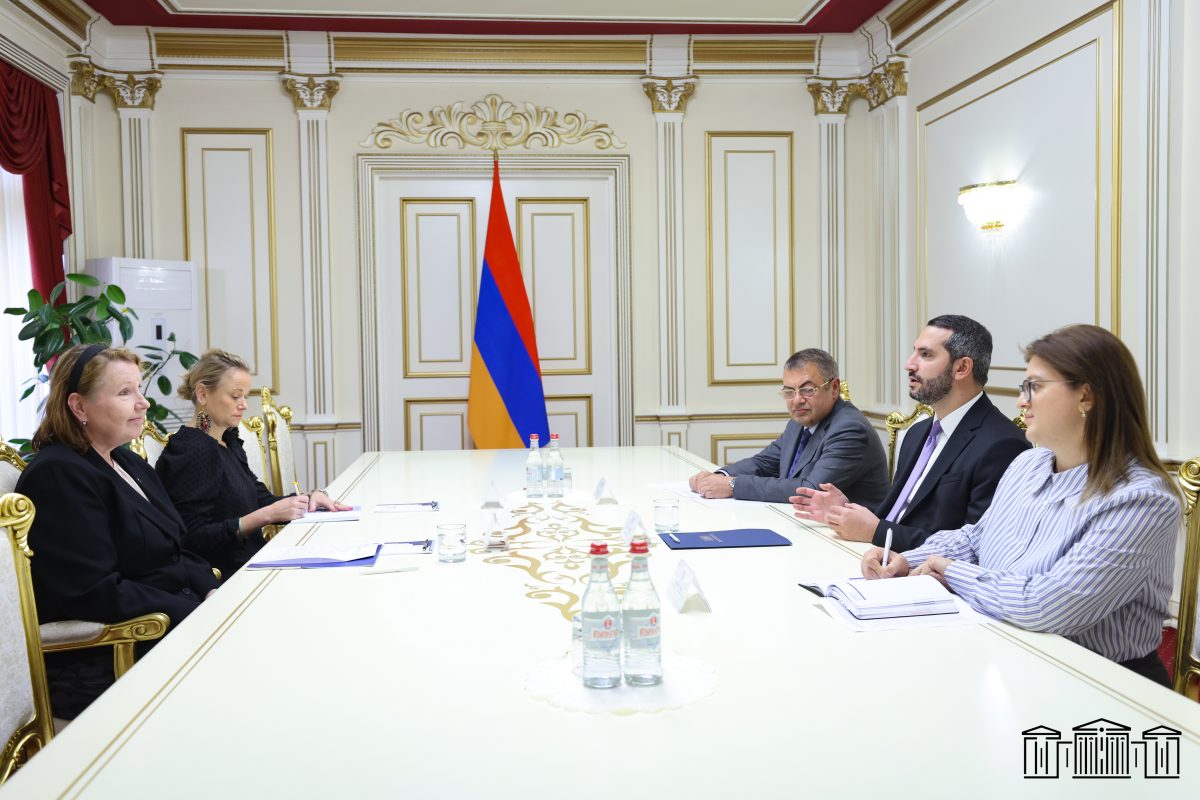
On October 9, 2023, Ruben Rubinyan, the Speaker of the Armenian National Assembly, held a significant meeting with Satu Koivu, the head of the European Union Mission in Armenia. This meeting comes at a critical time for Armenia, as the country navigates complex geopolitical challenges in the South Caucasus region. The discussions primarily revolved around ensuring regional stability and security, which are paramount for Armenia's future and its relations with neighboring countries.
During the meeting, Rubinyan expressed gratitude towards the EU Mission for its ongoing efforts in Armenia. He emphasized the importance of the EU's role in fostering peace and stability in the region, particularly in light of the recent tensions that have arisen in the area. The EU Mission has been instrumental in monitoring the situation and providing support to Armenia in various capacities, including political dialogue and security assessments.
Rubinyan's acknowledgment of the EU's contributions highlights the growing partnership between Armenia and the European Union. The EU has been actively involved in the South Caucasus, promoting democratic reforms and supporting economic development. This collaboration is crucial for Armenia, especially as it seeks to strengthen its sovereignty and navigate its foreign policy amidst regional pressures.
The meeting also underscored the importance of continuity in the EU's activities in Armenia. Rubinyan stressed that ongoing support from the EU is vital for the country's stability and development. The Armenian government is keen on maintaining a strong relationship with the EU, viewing it as a strategic partner in addressing both domestic and regional challenges.
Furthermore, the discussions touched upon the broader implications of regional security for the Armenian diaspora. Many members of the diaspora are closely monitoring developments in Armenia, as they have a vested interest in the country's stability and prosperity. The EU's involvement is seen as a positive step towards ensuring a secure environment for all Armenians, both at home and abroad.
Looking ahead, it is expected that the Armenian government will continue to engage with the EU to enhance cooperation in various sectors, including security, trade, and cultural exchange. The EU's commitment to supporting Armenia will likely play a crucial role in shaping the future dynamics of the region. As the situation evolves, both the Armenian government and the EU will need to adapt their strategies to address emerging challenges effectively.
In conclusion, the meeting between Rubinyan and Koivu marks a significant step in reinforcing the partnership between Armenia and the European Union. As Armenia continues to face complex geopolitical issues, the support from the EU will be essential in promoting stability and fostering a secure environment for its citizens and the diaspora. The ongoing dialogue between Armenian leaders and EU representatives will be crucial in navigating the path forward for the nation.