
 Russian
 Armenian
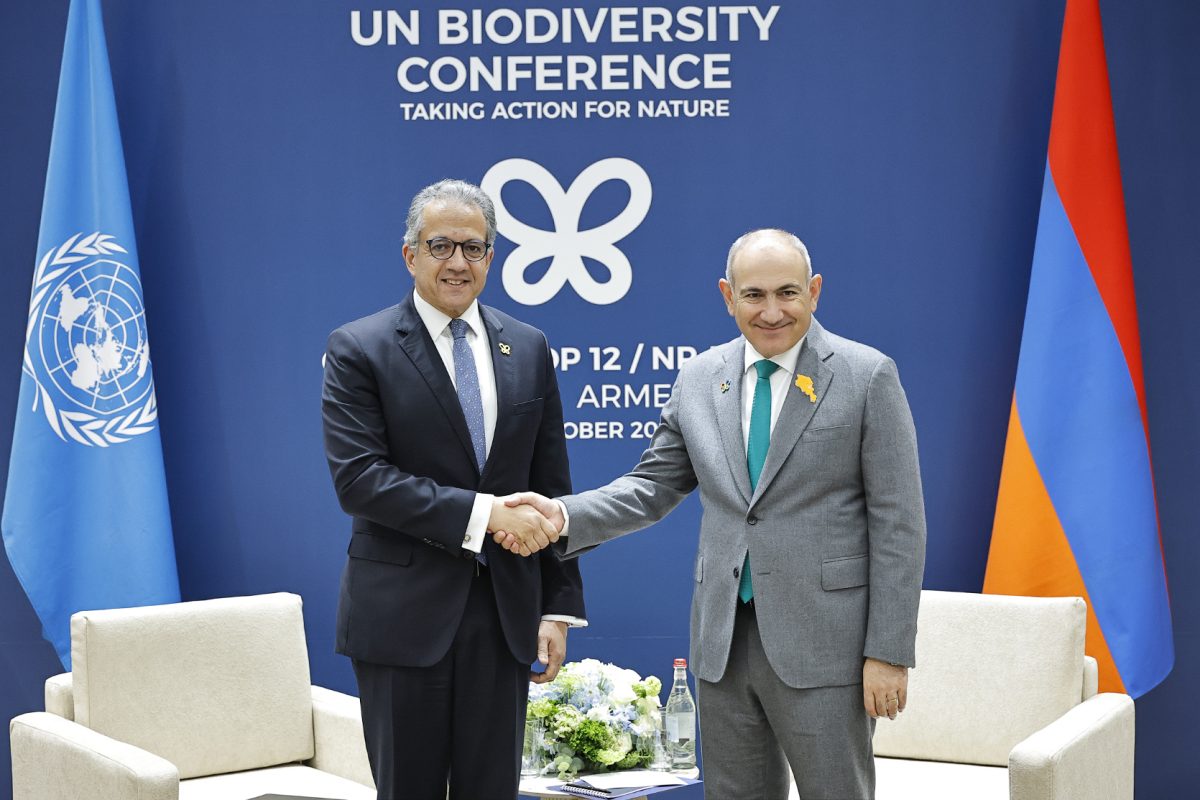
On October 16, 2023, Armenian Prime Minister Nikol Pashinyan held a significant meeting with Khaled El-Enany, the Director-General of UNESCO, amidst the backdrop of the Leaders’ Summit on Biodiversity taking place in Yerevan. This summit has attracted global attention, bringing together leaders and experts to address pressing environmental issues and the need for sustainable practices.
During their discussions, both Pashinyan and El-Enany expressed optimism about the outcomes of the summit, highlighting the potential for engaging and productive dialogues. The Prime Minister underscored the importance of international cooperation, particularly with UNESCO, in efforts to preserve Armenia's rich cultural heritage and biodiversity. This collaboration is crucial as Armenia is home to numerous historical sites and diverse ecosystems that require protection and sustainable management.
The meeting comes at a time when Armenia is increasingly focused on environmental issues and cultural preservation, especially given the ongoing challenges posed by climate change and regional conflicts. The Prime Minister's engagement with UNESCO reflects a broader commitment to integrating cultural considerations into biodiversity initiatives, which is essential for sustainable development in the region.
El-Enany, representing UNESCO, reiterated the organization's dedication to supporting member states in their efforts to protect cultural and natural heritage. He acknowledged Armenia's unique position as a country with a rich history and diverse landscapes, which makes it an important player in global biodiversity discussions. The collaboration between Armenia and UNESCO is expected to strengthen efforts in these areas, fostering a deeper understanding of the interconnections between culture and nature.
As the summit progresses, it is anticipated that various stakeholders will propose actionable strategies to enhance biodiversity conservation while respecting cultural identities. The outcomes of these discussions could lead to new initiatives that not only benefit Armenia but also serve as a model for other nations facing similar challenges.
The Armenian community, both domestically and in the diaspora, is likely to follow these developments closely. The emphasis on cultural preservation resonates deeply with Armenians worldwide, especially given the historical significance of cultural heritage in the face of adversity. Engaging with international organizations like UNESCO is seen as a vital step in ensuring that Armenia's cultural legacy is safeguarded for future generations.
Looking ahead, it will be important for the Armenian government to build on the momentum generated by this summit. Continued dialogue with UNESCO and other international partners will be essential in implementing effective policies that address both biodiversity and cultural preservation. The outcomes of this meeting could pave the way for future collaborations, enhancing Armenia's role in global environmental and cultural discussions.