
 Russian
 Armenian
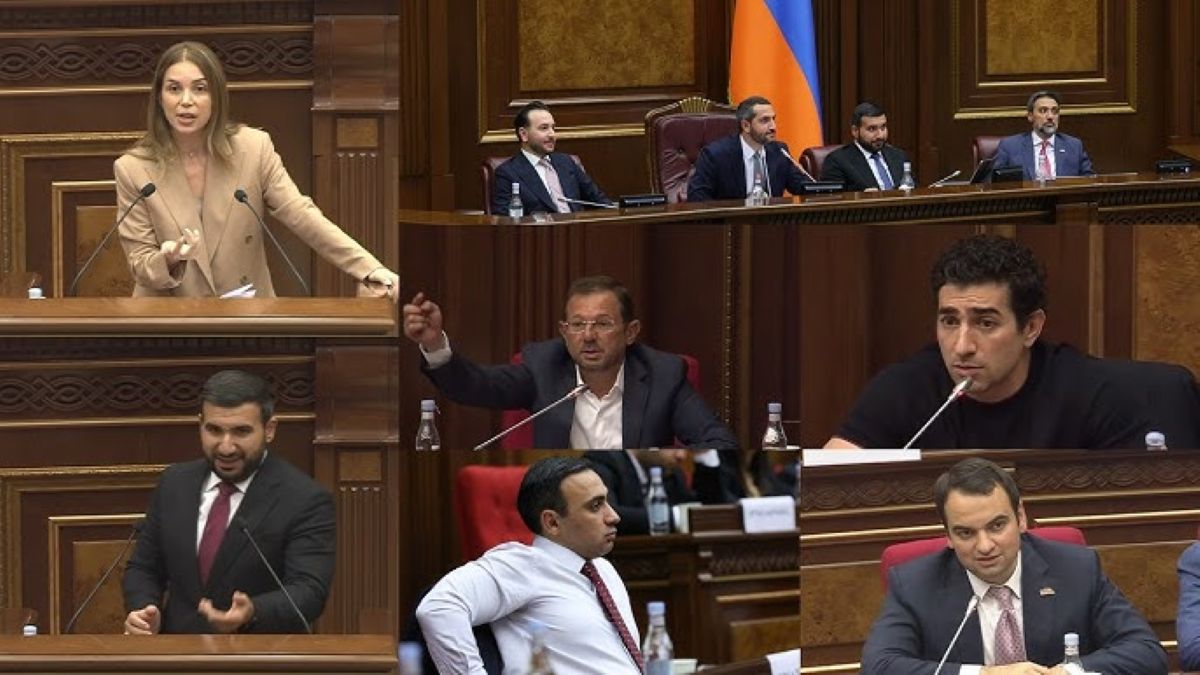
The recent elections in Armenia have resulted in a new parliamentary structure that is poised to influence the country’s political dynamics significantly. With the ruling party maintaining a majority, the balance of power has shifted, raising questions about the effectiveness of the opposition and the overall governance of the nation. Observers are keenly analyzing how this new setup will affect both domestic policies and Armenia's relations with the international community.
The current parliament consists of a coalition led by the ruling party, which has been accused of consolidating power since its rise to prominence. This situation has led to concerns about the diminishing role of opposition parties, which are struggling to find their footing in a landscape that seems increasingly hostile to dissenting voices. The challenges faced by these parties are crucial for understanding the future of democratic processes in Armenia.
Key figures in the ruling party have emphasized their commitment to implementing reforms and addressing pressing issues such as economic stability, security concerns, and social welfare. However, critics argue that the lack of a robust opposition undermines the democratic fabric of the country. The opposition's inability to effectively challenge the ruling party raises concerns about accountability and transparency in governance.
Historically, Armenia has faced significant political upheaval, and the current situation is reminiscent of past struggles for power. The new parliament's composition reflects the electorate's desire for stability following a tumultuous period marked by conflict and political strife. However, the question remains whether this stability will come at the cost of democratic principles and civic engagement.
For the Armenian-American community, the developments in Armenia are particularly relevant. Many diaspora members maintain strong ties to their homeland and are invested in its political future. The effectiveness of the new parliament will not only impact those living in Armenia but also resonate with Armenians abroad who seek to support democratic ideals and human rights.
Looking ahead, the government faces the challenge of fostering an inclusive political environment that allows for diverse voices to be heard. The opposition must also adapt to the new realities, potentially seeking alliances or re-evaluating their strategies to regain influence. The next steps will be critical in determining whether Armenia can navigate its current political landscape without sacrificing democratic values.
As the situation unfolds, it will be essential for both citizens and the diaspora to remain engaged and informed. The balance of power within the new parliament will undoubtedly shape Armenia's future, and active participation from all sectors of society will be vital in ensuring that the country moves towards a more democratic and prosperous path.