
 Russian
 Armenian
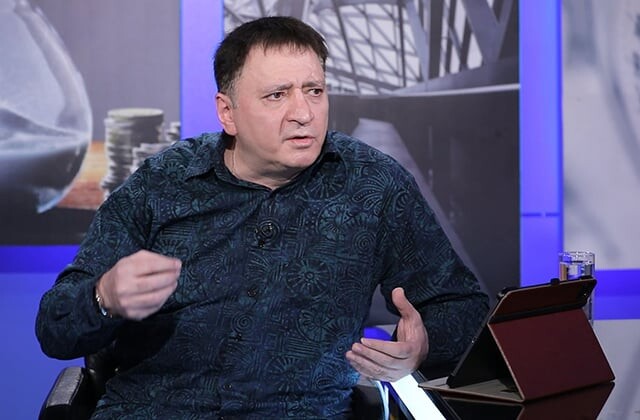
Vahram Sahakyan, a notable figure in the Armenian theater scene, has recently been arrested under allegations of hate speech. This incident is part of a broader investigation initiated by Armenia’s Investigative Committee, which claims that Sahakyan's Facebook post, dated January 8, 2025, contained content that incited hatred and intolerance. The arrest has raised significant concerns about the implications for artistic expression and freedom of speech in Armenia.
The Investigative Committee reported that they had gathered substantial evidence suggesting that Sahakyan utilized social media to disseminate messages that could be interpreted as promoting hostility. While specific details regarding the content of the post have not been disclosed, the authorities have emphasized the seriousness of the allegations. This case marks a critical moment in the ongoing dialogue about the boundaries of free expression in Armenia.
Sahakyan's arrest has sparked a wave of reactions from various sectors of society, including fellow artists, activists, and human rights advocates. Many are voicing their concerns over the potential chilling effect this may have on artists and writers who wish to express dissenting opinions or critique societal issues. The case is being closely monitored by organizations that advocate for freedom of expression, both locally and internationally.
Historically, Armenia has faced challenges regarding freedom of speech, particularly in the wake of political unrest and social change. The tension between maintaining public order and protecting individual rights has often led to controversial legal actions against individuals accused of inciting hatred or spreading misinformation. Sahakyan's case is likely to reignite discussions about the balance between these competing interests.
As the investigation unfolds, it remains to be seen how this will affect Sahakyan's career and the broader artistic community in Armenia. The playwright has been known for his thought-provoking works that often challenge societal norms and provoke critical discussions. His arrest may deter other artists from exploring similar themes, fearing legal repercussions.
Supporters of Sahakyan are calling for his immediate release and are advocating for a reevaluation of laws that govern speech and expression. They argue that the current legal framework may be misused to silence dissent and stifle creativity. This incident could potentially lead to a larger movement advocating for reforms in how hate speech is defined and prosecuted in Armenia.
In the coming weeks, as the legal proceedings continue, it will be crucial for the Armenian community, both at home and in the diaspora, to engage in discussions about the implications of this case. The outcome may not only affect Sahakyan but could also set a precedent for future cases involving artistic expression and free speech in Armenia.