
 Russian
 Armenian
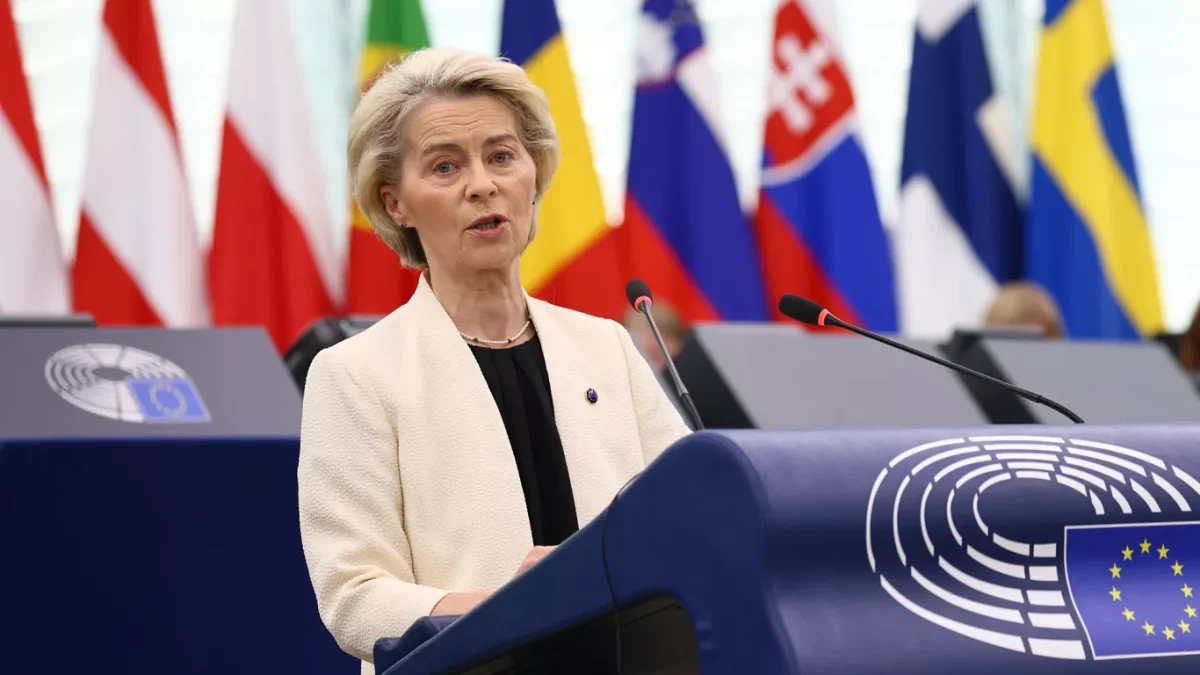
On July 2, 2023, European Commission President Ursula von der Leyen is set to embark on a significant working visit to the Republic of Armenia. This visit marks a pivotal moment in the ongoing relationship between Armenia and the European Union, reflecting the EU's commitment to fostering closer ties with the South Caucasus region.
During her visit, President von der Leyen will engage in discussions with Armenian Prime Minister Nikol Pashinyan. The agenda for their talks is expected to cover a range of topics, including political cooperation, economic development, and regional security. These discussions are crucial as Armenia navigates its geopolitical landscape, particularly in light of recent tensions in the region.
The meeting between von der Leyen and Pashinyan comes at a time when Armenia is seeking to strengthen its partnerships with Western nations, particularly the EU, amid ongoing challenges with neighboring countries. The European Union has been increasingly involved in the South Caucasus, providing support for democratic reforms and economic development initiatives.
Following their discussions, both leaders will hold a joint press conference, where they are expected to share insights from their talks and outline future cooperation plans. This public engagement will allow for transparency and provide the Armenian public with a clearer understanding of the outcomes of the meeting.
The visit is significant not only for Armenia but also for the broader Armenian diaspora, as it signals the EU's recognition of Armenia's strategic importance in the region. Many in the Armenian-American community are hopeful that this visit will lead to enhanced support from the EU, particularly in areas such as trade, investment, and cultural exchange.
Moreover, the discussions are likely to touch upon Armenia's aspirations for deeper integration with European structures, which has been a long-standing goal for the Armenian government. This visit could pave the way for new agreements or initiatives that further align Armenia with EU standards and practices.
As the visit approaches, many are keen to see how the outcomes will influence Armenia's foreign policy and its relations with other regional powers. The Armenian-American community, in particular, is watching closely, as developments in Armenia can have direct implications for diaspora engagement and support initiatives.
In conclusion, President von der Leyen's visit to Armenia is a noteworthy event that underscores the growing partnership between Armenia and the European Union. It presents an opportunity for both leaders to address pressing issues and explore avenues for future collaboration, which could significantly impact Armenia's trajectory in the coming years.