
 Russian
 Armenian
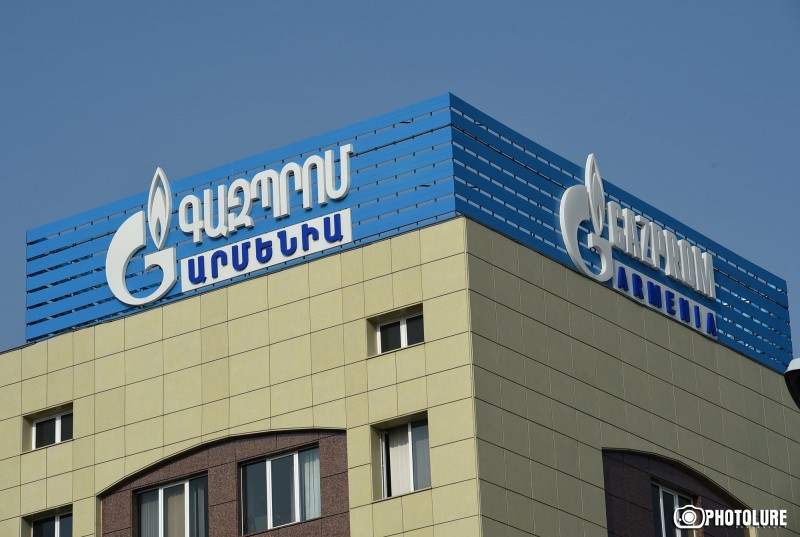
In a significant development within Armenia's energy sector, four employees of Gazprom Armenia have been arrested as part of a broader investigation into alleged bribery practices. This operation, conducted by Armenia’s Anti-Corruption Committee, also includes the arrest of an official from the Urban Development, Technical and Fire Safety Inspection Body. The investigation highlights ongoing concerns regarding transparency and integrity in the management of essential services in the country.
The arrests were made following a comprehensive inquiry into the processes surrounding gas supply in Armenia. The Anti-Corruption Committee has indicated that the case revolves around potential bribery that may have influenced decisions related to the provision of gas services. Such allegations, if proven true, could have serious implications not only for the individuals involved but also for the reputation of Gazprom Armenia as a key player in the nation’s energy sector.
Gazprom Armenia, a subsidiary of the Russian energy giant Gazprom, plays a crucial role in the distribution of natural gas across the country. The company is responsible for ensuring that gas is supplied efficiently and safely to households and businesses alike. Given the essential nature of this service, any allegations of corruption can lead to public distrust and concerns about the reliability of gas supply.
The involvement of an official from the Urban Development Inspection Body raises further questions about the regulatory oversight in place for such critical services. This body is tasked with ensuring compliance with safety and technical standards in construction and urban development, and its connection to the gas supply process underscores the potential for systemic issues within the regulatory framework.
This investigation comes at a time when Armenia is striving to enhance its anti-corruption measures and improve governance. The government has made commitments to tackle corruption head-on, and this case may serve as a litmus test for the effectiveness of these initiatives. The public will be closely watching how this situation unfolds and whether it leads to broader reforms in the sector.
For the Armenian-American community, this news is particularly relevant as it highlights the ongoing challenges faced by Armenia in terms of governance and public trust. Many in the diaspora have a vested interest in the stability and integrity of Armenia’s institutions, and developments like this can impact perceptions of the country both at home and abroad.
As the investigation progresses, it will be crucial for the authorities to maintain transparency and communicate effectively with the public. The outcomes of this case could lead to significant changes in how gas supply is managed in Armenia, and potentially prompt a reevaluation of the relationships between government bodies and private enterprises. The community will be eager to see how the situation develops and what measures will be taken to prevent similar incidents in the future.