
 Russian
 Armenian
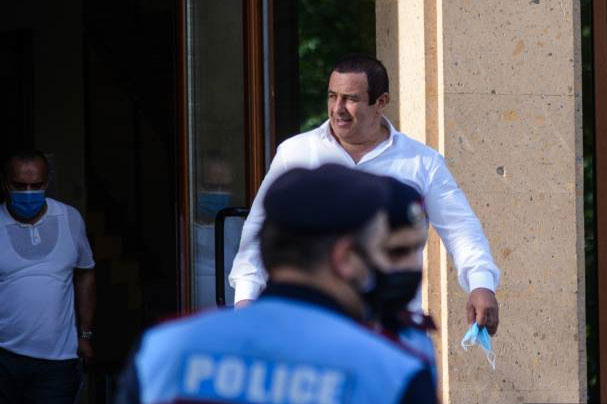
On September 4, 2026, the Yerevan Court of General Jurisdiction made a significant ruling regarding Gagik Tsarukyan, the leader of the Prosperous Armenia Party and a prominent businessman. The court has decided to extend Tsarukyan's pretrial detention by an additional two months, following a hearing that addressed the prosecution's request. This extension has sparked various reactions within the political landscape of Armenia and among Tsarukyan's supporters.
Gagik Tsarukyan has been a notable figure in Armenian politics, having served as a member of the National Assembly and as a key player in the country's political arena. His detention has raised concerns about the implications for political freedom and the state of democracy in Armenia. Many view this extension as a continuation of a politically charged case that has drawn significant media attention.
During the court proceedings, Tsarukyan's lawyer, Emin Khachatryan, expressed his intention to appeal the court's decision. Khachatryan has argued that the prosecution has not provided sufficient evidence to justify the extension of Tsarukyan's detention. This legal battle is expected to continue, as the defense team seeks to challenge the grounds on which Tsarukyan has been held.
The case has not only legal implications but also political ones, as Tsarukyan's Prosperous Armenia Party has been a significant opposition force in the country. The party's supporters have rallied around Tsarukyan, viewing his detention as an attack on political dissent and an attempt to undermine opposition voices in Armenia. This situation has led to increased scrutiny of the government's actions and raised questions about the fairness of the judicial process.
In the context of the Armenian diaspora, Tsarukyan's case resonates with many who are concerned about political developments in Armenia. The diaspora community has a vested interest in the political stability and democratic processes of their homeland. As news of the court's decision circulates, it is likely to provoke discussions among Armenian-Americans about the implications for democracy and governance in Armenia.
Looking ahead, the next steps in this case will depend on the appeal filed by Tsarukyan's defense team. If the appeal is successful, it could lead to his release or a reconsideration of the charges against him. Conversely, if the court upholds the decision, it may set a precedent for how similar cases are handled in the future, potentially impacting the political landscape in Armenia.
As the situation develops, it will be crucial for both supporters and opponents of Tsarukyan to remain engaged in the discourse surrounding his case. The outcome may not only affect Tsarukyan personally but could also influence the broader political dynamics within Armenia and its relationship with the diaspora community.