
 Russian
 Armenian
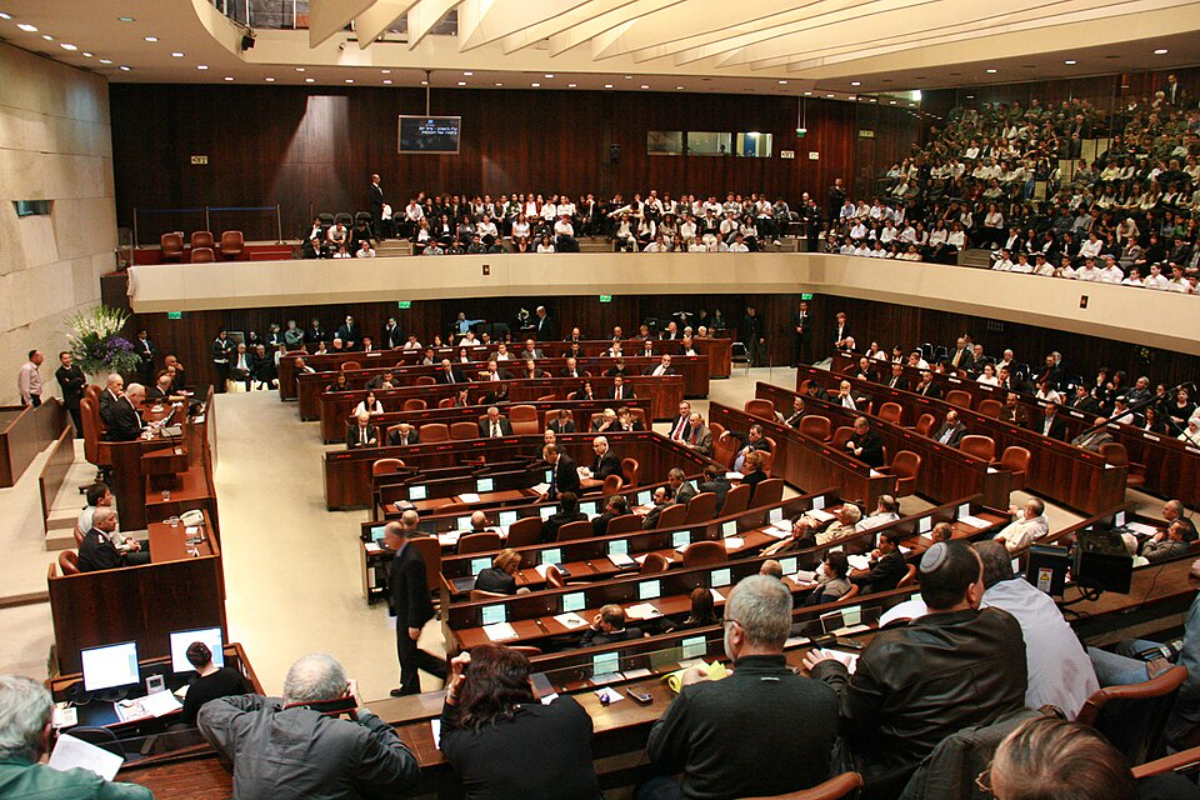
In recent weeks, there has been a surge of interest and speculation regarding Israel's position on the recognition of the Armenian Genocide. This topic has gained traction within the Armenian community, particularly in light of the ongoing geopolitical dynamics in the region. As various narratives circulate, it is crucial to separate fact from fiction to understand the implications for Armenians both in Armenia and the diaspora.
Historically, Israel has maintained a complex relationship with the acknowledgment of the Armenian Genocide, which occurred during World War I. The genocide, which resulted in the deaths of approximately 1.5 million Armenians at the hands of the Ottoman Empire, has been recognized by numerous countries, yet Israel has refrained from formally adopting a stance on the issue. This has often been attributed to Israel's diplomatic ties with Turkey, a nation that vehemently denies the genocide.
Recently, some reports suggested that Israel was reconsidering its position on the Armenian Genocide, leading to a flurry of speculation among Armenian activists and scholars. These discussions were fueled by statements from various Israeli officials and public figures, who have expressed sympathy towards the Armenian cause. However, it is essential to note that official recognition has not yet been granted, and the Israeli government has not made any formal announcements regarding a change in policy.
The implications of Israel recognizing the Armenian Genocide would be significant, not only for diplomatic relations with Turkey but also for the Armenian community worldwide. For many Armenians, official recognition is seen as a crucial step towards justice and acknowledgment of the historical atrocities faced by their ancestors. It would also serve to strengthen the global movement advocating for recognition and reparations.
In light of these developments, Armenian organizations and advocates are ramping up their efforts to engage with Israeli officials and the broader public. They aim to raise awareness about the genocide and its lasting impact on Armenian identity and history. Community leaders are emphasizing the importance of dialogue and education to foster a deeper understanding of the genocide among Israeli citizens and policymakers.
As the situation evolves, it remains to be seen how Israel will navigate its relationships with both Armenia and Turkey. The geopolitical landscape is continually shifting, and the Armenian community is hopeful that increased awareness and advocacy will lead to a positive outcome regarding genocide recognition. The next steps for Armenian advocates will likely involve continued outreach, lobbying efforts, and collaboration with international organizations to maintain pressure on Israel to formally recognize the genocide.
In conclusion, while the discussions surrounding Israel’s recognition of the Armenian Genocide are gaining momentum, it is essential for the Armenian community to remain informed and engaged. By fostering dialogue and understanding, there is potential for a significant shift in Israel's stance, which could have far-reaching implications for the recognition of the Armenian Genocide on a global scale.