
 Russian
 Armenian
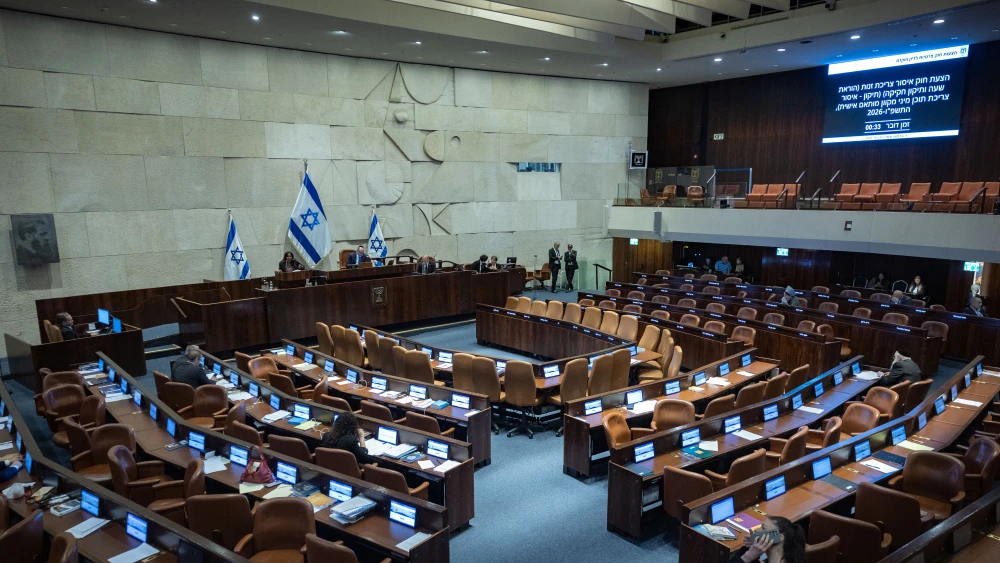
In recent weeks, the topic of Israel's recognition of the Armenian Genocide has resurfaced, prompting discussions and speculation within the Armenian community. Various reports and rumors have circulated, leading to confusion about Israel's official stance on this historical atrocity. Understanding the nuances of this situation is crucial for Armenians both in Armenia and the diaspora, as it touches on broader themes of recognition, justice, and international relations.
The Armenian Genocide, which occurred during World War I, resulted in the deaths of approximately 1.5 million Armenians at the hands of the Ottoman Empire. Despite overwhelming historical evidence, many nations have been hesitant to officially recognize the events as genocide due to political and diplomatic considerations. Israel's position has been particularly complex, given its historical ties to Turkey, a nation that vehemently denies the genocide.
Recent statements from Israeli officials have sparked renewed interest and concern among Armenians regarding the country's recognition of the genocide. Some reports suggest that there may be a shift in Israel's approach, potentially leading to formal acknowledgment. However, these claims have not been substantiated by official government announcements, leaving many in the community seeking clarity on the matter.
Key figures in the Armenian community have expressed their hope that Israel will take a definitive stance on this issue. They argue that recognition is not only a matter of historical justice but also a necessary step towards healing and reconciliation. The Armenian Genocide remains a sensitive topic, and its acknowledgment by a country like Israel could have significant implications for international relations and the global recognition of genocides.
Furthermore, the relationship between Israel and Turkey complicates the situation. Israel has historically maintained a strategic partnership with Turkey, which has often influenced its diplomatic decisions. This relationship has led to a cautious approach regarding the recognition of the Armenian Genocide, as Israel weighs its geopolitical interests against moral imperatives.
For the Armenian community, the recognition of the genocide by Israel is not merely a symbolic gesture; it represents a validation of their historical suffering and a step towards ensuring that such atrocities are not forgotten. Community leaders have called for continued advocacy and dialogue to encourage Israel to confront its past and acknowledge the genocide officially.
As discussions continue, many Armenians are encouraged to remain engaged and informed about the developments surrounding this topic. The potential for Israel to recognize the Armenian Genocide could foster greater awareness and support for Armenian issues on the global stage. Community members are urged to participate in discussions, support advocacy efforts, and stay updated on any official statements from Israeli authorities.
In conclusion, while rumors about Israel's recognition of the Armenian Genocide abound, the situation remains fluid and requires careful monitoring. The Armenian community's hope for recognition reflects a broader desire for justice and acknowledgment of historical truths. As the dialogue evolves, it is essential for Armenians to remain proactive in advocating for their history and rights on the international front.