
 Russian
 Armenian
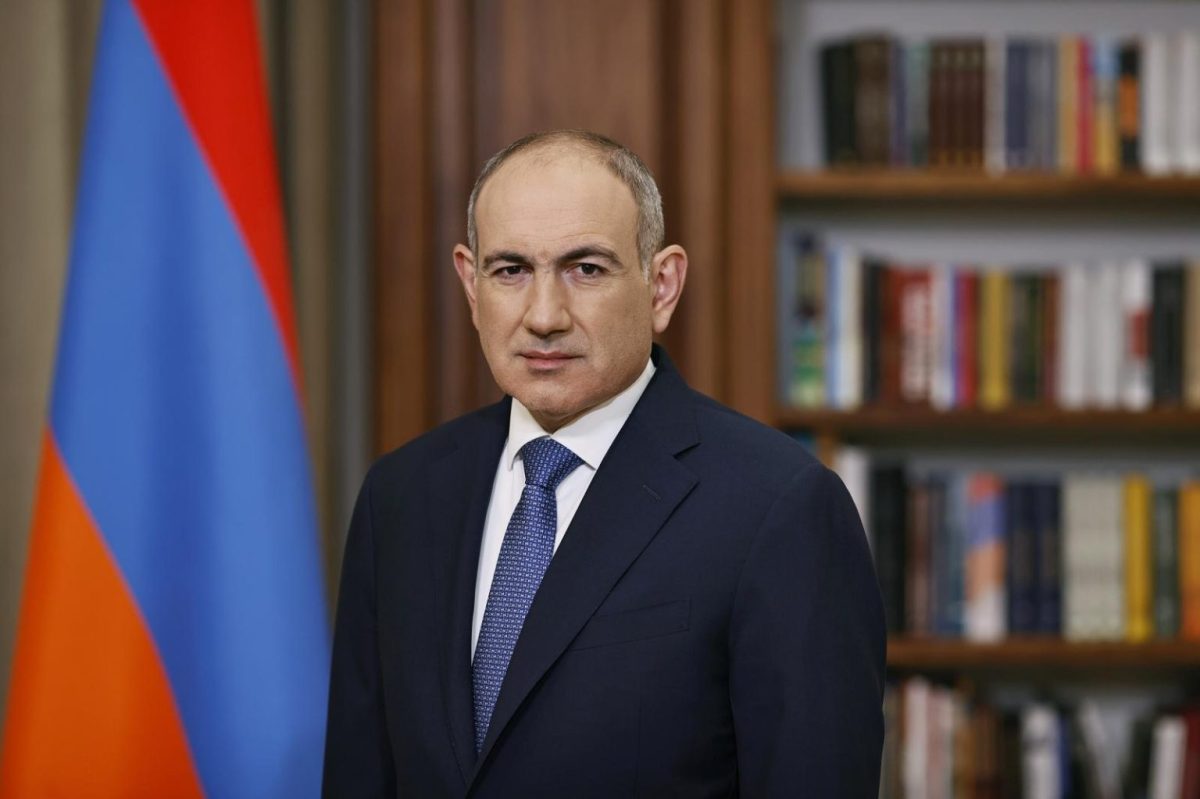
In a significant political development for Armenia, President Vahagn Khachaturyan has signed a decree appointing Nikol Pashinyan as Prime Minister. This decision follows the recent parliamentary elections held on June 7, where Pashinyan's Civil Contract Party emerged victorious, securing a majority in the newly elected National Assembly. The decree, which references Article 149(1) of the Armenian Constitution, formalizes Pashinyan's leadership role in the government.
The reappointment of Nikol Pashinyan comes at a crucial time for Armenia, as the country navigates various domestic and international challenges. Pashinyan has been a prominent figure in Armenian politics since the 2018 Velvet Revolution, which led to significant political changes and reforms in the country. His leadership has been marked by efforts to strengthen democratic institutions and address corruption, although his tenure has also faced criticism and challenges, particularly regarding foreign relations and security issues.
The recent elections were pivotal, as they not only determined the composition of the National Assembly but also reflected the public's sentiment towards Pashinyan's governance. The Civil Contract Party's success indicates a level of support for Pashinyan's policies and approach, despite the difficulties Armenia has encountered in recent years, including the fallout from the 2020 Nagorno-Karabakh conflict.
In his new term, Pashinyan is expected to focus on several key issues, including economic recovery post-pandemic, improving national security, and fostering better relations with neighboring countries. The political landscape in the South Caucasus remains complex, and Pashinyan's government will need to navigate these intricacies carefully, especially in light of ongoing tensions with Azerbaijan.
Furthermore, the Armenian diaspora is closely watching these developments, as many in the community have a vested interest in the political stability and future direction of Armenia. The diaspora plays a crucial role in supporting Armenia through various initiatives, including economic investments and advocacy for Armenian interests abroad.
Looking ahead, Pashinyan's administration will likely prioritize dialogue with both domestic and international stakeholders to address pressing issues. Engaging with the diaspora could also be a strategic move to bolster support and resources for Armenia's development. As the new government takes shape, the Armenian community will be keen to see how Pashinyan's policies unfold and what impact they will have on the nation's future.
In conclusion, Nikol Pashinyan's reappointment as Prime Minister marks a continuation of his leadership during a critical period for Armenia. With the support of the National Assembly and the public, he faces the task of steering the country towards stability and growth amidst ongoing challenges. The Armenian-American community remains hopeful for positive developments and is likely to remain engaged in the political discourse surrounding Armenia's future.