
 Russian
 Armenian
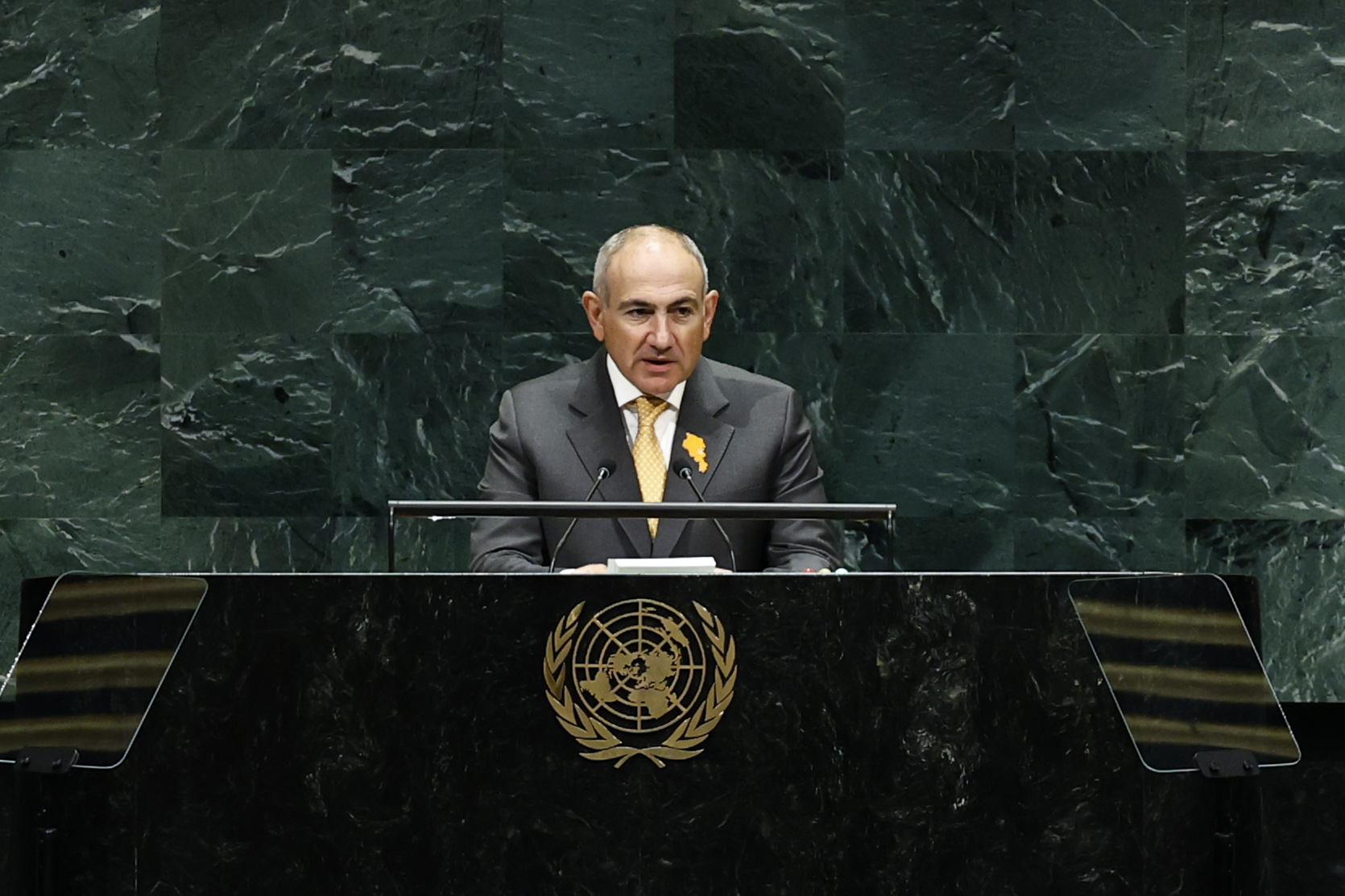
In a recent statement, Armenian Prime Minister Nikol Pashinyan addressed the ongoing tensions between Armenia and Azerbaijan, emphasizing that unresolved issues and conflicting narratives continue to hinder the peace process. His comments were made during a press conference where he discussed the current state of relations between the two countries, which have been fraught with conflict, particularly following the 2020 Nagorno-Karabakh war.
Pashinyan pointed out that despite efforts to engage in dialogue and negotiations, significant challenges remain. He noted that both nations have differing perspectives on historical events and territorial claims, which complicates the path toward reconciliation. The Prime Minister's remarks come at a time when the international community is closely monitoring the situation, particularly as tensions have escalated in recent months.
One of the key issues highlighted by Pashinyan is the lack of mutual recognition of historical narratives. He stated that both Armenia and Azerbaijan have their own interpretations of events, particularly concerning the Nagorno-Karabakh region, which has been a focal point of conflict for decades. This divergence in narratives not only affects diplomatic relations but also impacts the sentiments of the populations in both countries, making it difficult to foster a peaceful coexistence.
Additionally, Pashinyan reiterated the importance of addressing humanitarian concerns that have arisen from the conflict. He mentioned the need for the safe return of prisoners of war and the resolution of issues related to displaced persons. These humanitarian aspects are crucial for building trust and moving forward in the peace process, as they directly affect the lives of many individuals and families affected by the conflict.
The Prime Minister also acknowledged the role of international mediators in facilitating dialogue between Armenia and Azerbaijan. He expressed hope that continued engagement from global powers could help bridge the gaps between the two nations. However, he cautioned that without a genuine commitment from both sides to address their grievances, progress may remain elusive.
For the Armenian-American community, Pashinyan's comments resonate deeply, as many members have family ties and personal connections to the region. The ongoing conflict and its implications for peace and stability are of significant concern. Community leaders have been advocating for increased awareness and support for Armenia, emphasizing the need for a peaceful resolution to the longstanding disputes.
Looking ahead, it is clear that the path to peace between Armenia and Azerbaijan will require sustained dialogue, mutual understanding, and a willingness to confront difficult historical narratives. As both nations navigate these challenges, the Armenian-American community will continue to play a vital role in advocating for peace and supporting efforts that promote stability in the region.