
 Russian
 Armenian
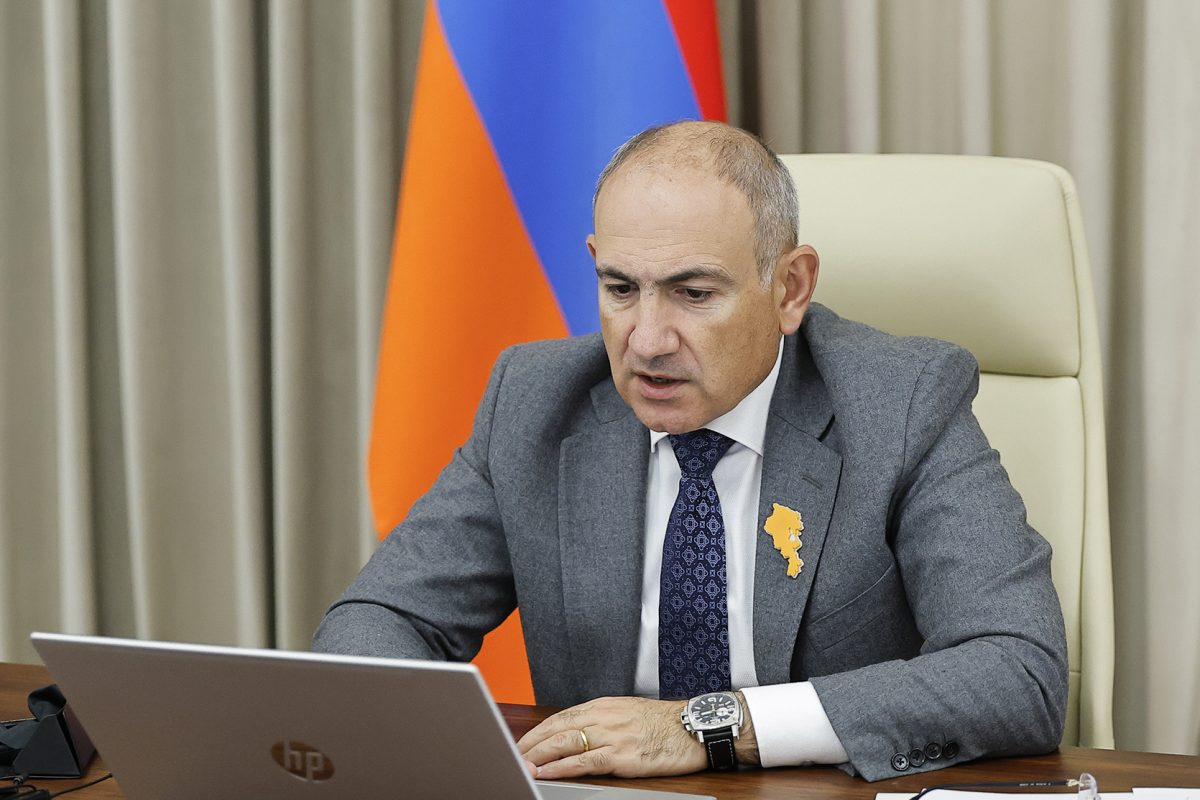
Armenian Prime Minister Nikol Pashinyan has recently addressed the pressing issue of trade barriers affecting Armenian exports and transit during a virtual meeting of the Eurasian Intergovernmental Council on October 2. His call for dialogue underscores the importance of enhancing Armenia's trade relations within the framework of the Eurasian Economic Union (EAEU), which includes several member states that are crucial for Armenia's economic connectivity.
Pashinyan's remarks come at a time when Armenia is facing significant challenges in its trade routes and export capabilities. The EAEU, which comprises Russia, Belarus, Kazakhstan, Kyrgyzstan, and Armenia, aims to facilitate economic cooperation among its members. However, existing barriers have hindered the free flow of goods, impacting Armenia's ability to compete in regional markets. The Prime Minister's emphasis on dialogue reflects a proactive approach to addressing these obstacles.
During the meeting, Pashinyan highlighted specific barriers that have been detrimental to Armenian businesses. These include customs delays, regulatory discrepancies, and logistical challenges that complicate the export process. By advocating for the removal of these barriers, Pashinyan aims to create a more favorable environment for Armenian products, which is vital for the country's economic growth and sustainability.
The significance of Pashinyan's statements extends beyond immediate trade concerns. Strengthening Armenia's position within the EAEU could lead to enhanced economic stability and growth, particularly in light of the geopolitical challenges the country has faced in recent years. The Prime Minister's call for cooperation is not only about improving trade but also about reinforcing Armenia's economic sovereignty within a complex regional landscape.
Moreover, the dialogue initiated by Pashinyan could pave the way for future negotiations that might result in more comprehensive agreements aimed at facilitating trade. This is particularly important for the Armenian diaspora, which relies on the economic health of Armenia for remittances and support of local businesses. A more robust export framework could lead to increased opportunities for Armenian entrepreneurs both domestically and abroad.
Looking ahead, it will be crucial for Armenia to engage with its EAEU partners to ensure that the proposed changes are implemented effectively. Continuous monitoring and evaluation of the trade environment will be necessary to adapt to any emerging challenges. The Armenian government may also need to explore alternative markets and trade agreements outside the EAEU to diversify its economic dependencies and enhance resilience.
In conclusion, Pashinyan's call for the removal of trade barriers within the EAEU is a significant step towards improving Armenia's economic prospects. By fostering dialogue and cooperation among member states, Armenia can work towards a more integrated and efficient trade system that benefits both the nation and its diaspora. As these discussions progress, the Armenian community will be keenly watching for developments that could positively impact their homeland's economic future.