
 Russian
 Armenian
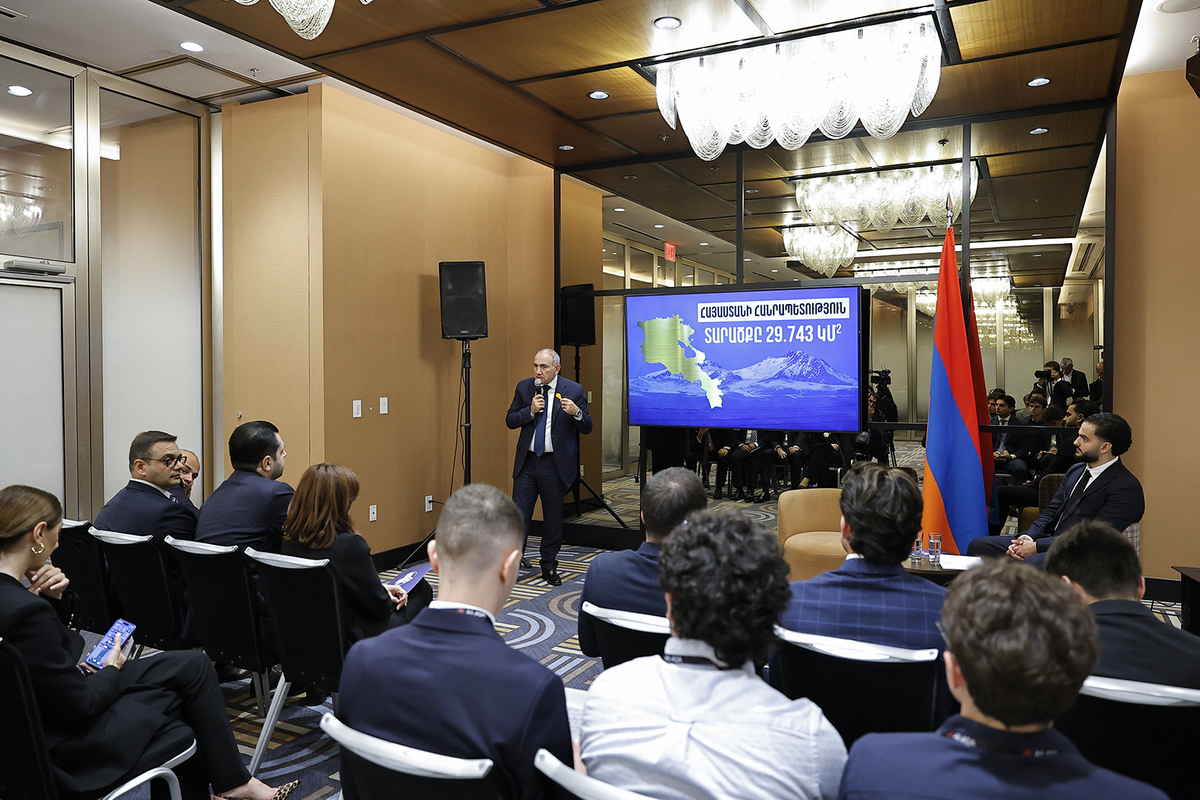
Armenian Prime Minister Nikol Pashinyan's recent visit to New York coincided with the United Nations General Assembly, a significant event for global diplomacy. However, the trip has sparked controversy within the Armenian community, particularly among university students. Many have raised concerns about the implications of his visit, questioning whether the Prime Minister's agenda was truly about addressing international issues or if it involved more divisive tactics among Armenian students.
During his time in New York, Pashinyan engaged in discussions regarding Armenia's position on various geopolitical matters, including security concerns in the region. However, critics argue that his interactions with student groups seemed to focus more on creating divisions rather than fostering unity. This has led to a growing sentiment among students that the Prime Minister's visit may have been misaligned with the needs and aspirations of the younger generation.
Background context reveals that the Armenian student community in the diaspora has been increasingly vocal about their desire for a unified approach to issues affecting Armenia and Artsakh. Many students feel that the current political climate necessitates solidarity rather than division, particularly in light of ongoing challenges faced by Armenia. Pashinyan's perceived attempts to engage with different factions within the student body have raised alarms about potential fractures in the community.
Key figures within the Armenian student organizations have expressed their disappointment, stating that the Prime Minister's actions could undermine the collective efforts to advocate for Armenia's interests abroad. They emphasize the importance of a united front, especially as the diaspora plays a crucial role in supporting Armenia through advocacy and fundraising initiatives. The discord created by Pashinyan's visit could hinder these efforts, making it vital for community leaders to address these concerns.
The implications of this controversy extend beyond just the student community. For many Armenian-Americans, the actions of their leaders are closely scrutinized, and any perceived misstep can lead to significant backlash. As the diaspora continues to play an essential role in Armenia's future, the need for cohesive leadership becomes increasingly apparent. The potential for division among students could have lasting effects on community engagement and activism.
Looking ahead, it is crucial for both Pashinyan and the Armenian student organizations to find common ground. Open dialogues and collaborative initiatives could help bridge the gap that has emerged from this visit. Students are calling for more inclusive approaches that prioritize the collective voice of the diaspora, ensuring that all perspectives are considered in discussions about Armenia's future.
As the situation unfolds, it remains to be seen how Pashinyan will address the concerns raised by the student community. The upcoming months will be critical for both the Prime Minister and the diaspora, as they navigate the complexities of unity and leadership in a time of uncertainty for Armenia. For Armenian-Americans, staying informed and engaged will be key to fostering a strong, united community that can effectively support Armenia during these challenging times.