
 Russian
 Armenian
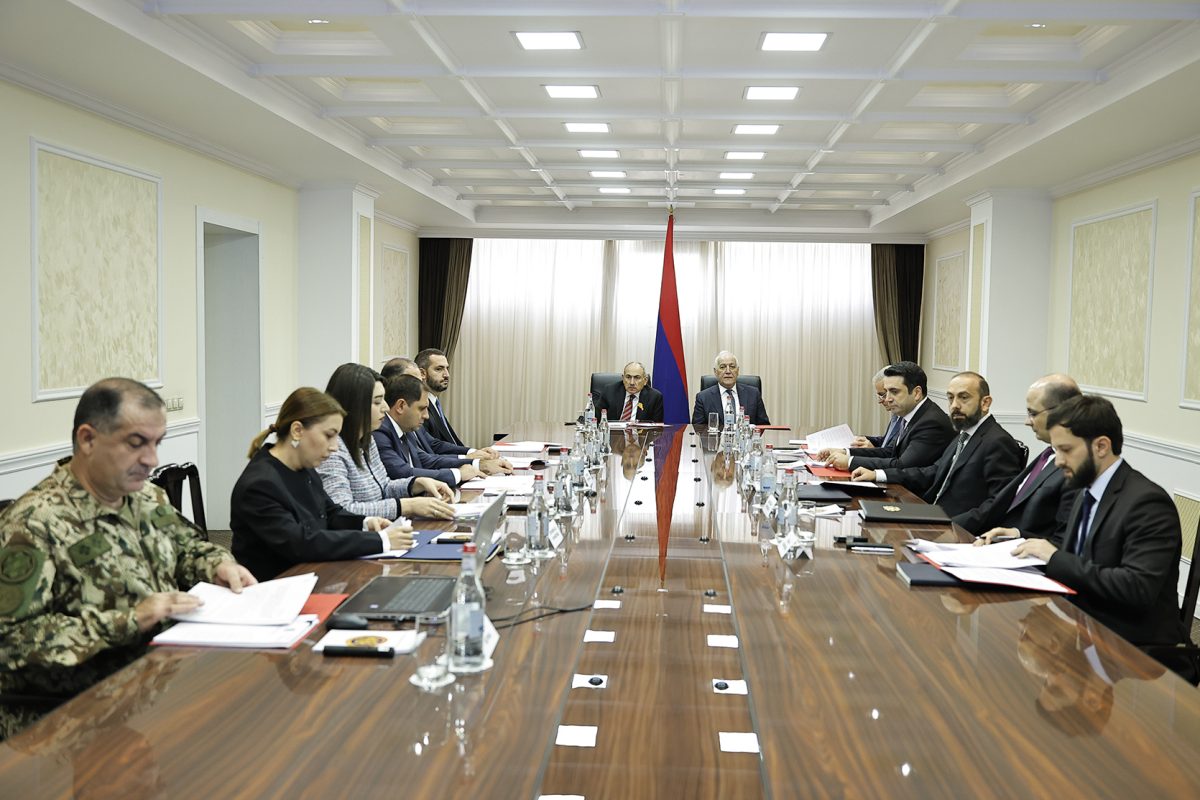
On September 30, 2023, Prime Minister Nikol Pashinyan convened a regular meeting of Armenia’s Security Council, a critical forum for addressing the nation’s security concerns. The meeting was attended by notable figures including President Vahagn Khachaturyan and National Assembly Speaker Ruben Rubinyan, along with other members of the Security Council. This gathering highlights the ongoing commitment of Armenia's leadership to address pressing security issues facing the country.
The agenda for the meeting included a range of topics that fall within the Security Council's mandate, although specific details regarding the discussions were not disclosed. Such meetings are essential for coordinating the government's approach to national security, particularly in light of the complex geopolitical environment in the South Caucasus region. The participation of high-ranking officials underscores the importance of a unified strategy in addressing these challenges.
Armenia has faced numerous security challenges in recent years, particularly following the 2020 Nagorno-Karabakh conflict. The aftermath of this conflict has necessitated ongoing discussions regarding military preparedness, regional stability, and diplomatic relations with neighboring countries. The Security Council plays a pivotal role in shaping policies that aim to enhance Armenia's defense capabilities and ensure the safety of its citizens.
During the meeting, Prime Minister Pashinyan likely emphasized the need for a comprehensive security strategy that not only addresses immediate threats but also fosters long-term stability. This approach is crucial for maintaining peace in a region marked by historical tensions and territorial disputes. The involvement of the President and the Speaker of the National Assembly indicates a collaborative effort among Armenia's top leaders to tackle these issues effectively.
For the Armenian-American community, developments from such meetings are of great significance. Many members of the diaspora maintain strong ties to Armenia and are deeply invested in the country's security and political landscape. Understanding the decisions made by the Security Council can provide insights into the future direction of Armenia's policies and its implications for the diaspora.
Looking ahead, it will be important to monitor the outcomes of this meeting and any subsequent actions taken by the government. The Security Council's discussions could lead to new initiatives aimed at strengthening Armenia's defense posture or enhancing diplomatic efforts with other nations. As the situation evolves, the Armenian-American community will benefit from staying informed about these developments, as they may influence both Armenia's domestic policies and its international relations.
In conclusion, the meeting of the Security Council chaired by Prime Minister Pashinyan serves as a reminder of the ongoing security challenges facing Armenia. The participation of key leaders reflects a collective commitment to addressing these issues head-on. As the country navigates its complex security landscape, the Armenian-American community remains a vital part of the dialogue surrounding Armenia's future.