
 Russian
 Armenian
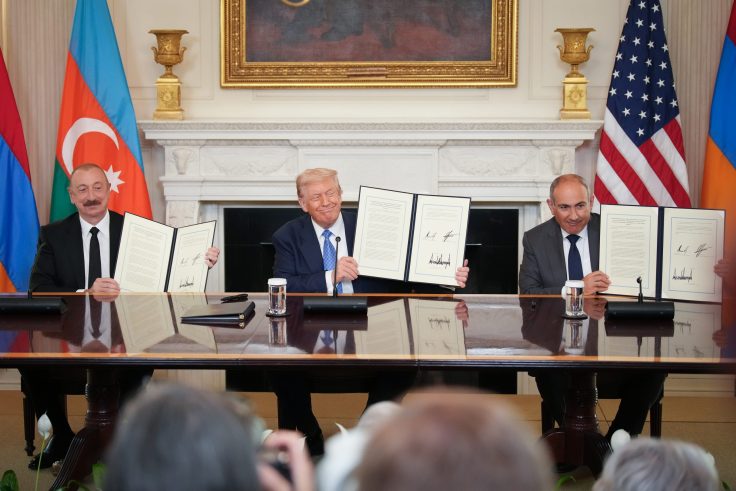
In recent discussions surrounding the geopolitical landscape of Armenia, the importance of peace in the region has come to the forefront. The ongoing tensions between Armenia and Azerbaijan, particularly over the disputed Nagorno-Karabakh territory, have made the quest for stability crucial for Armenia's future. The article from Free Beacon delves into how peace in Armenia not only affects the local population but also has broader implications for the Armenian diaspora and international relations.
One of the key points raised in the article is the role that former President Donald Trump played in fostering a more peaceful environment in Armenia. During his administration, there were efforts to engage in diplomatic discussions aimed at reducing hostilities between Armenia and Azerbaijan. This engagement is seen as a pivotal moment that contributed to a temporary easing of tensions, allowing for a focus on rebuilding and development within Armenia.
The historical context of the Armenia-Azerbaijan conflict is essential to understanding the current situation. The Nagorno-Karabakh region has been a flashpoint for violence and disputes for decades, leading to significant loss of life and displacement of people. The 2020 war resulted in a shift in territorial control and heightened the urgency for a lasting peace agreement. The article emphasizes that achieving peace is not just about stopping the fighting; it involves addressing the underlying issues that have fueled the conflict for so long.
For the Armenian-American community, the implications of peace in Armenia are profound. Many in the diaspora maintain strong ties to their homeland and are deeply invested in its stability and prosperity. A peaceful Armenia can lead to improved economic conditions, increased opportunities for investment, and a stronger cultural exchange between Armenia and the diaspora. This connection is vital for maintaining the Armenian identity and heritage abroad.
Looking ahead, the article suggests that continued diplomatic efforts are necessary to solidify the peace process. The involvement of international players, including the United States, can help mediate discussions and provide support to both Armenia and Azerbaijan. It is crucial for the Armenian government to engage with its citizens and the diaspora to foster a sense of unity and shared purpose in the peace-building process.
Moreover, the article highlights the importance of addressing humanitarian needs in the aftermath of conflict. Many families were affected by the war, and there is a pressing need for assistance in rebuilding lives and communities. Organizations within the Armenian-American community are encouraged to play a role in this recovery, whether through fundraising, advocacy, or direct support.
In conclusion, the pursuit of peace in Armenia is a multifaceted issue that resonates deeply within the Armenian-American community. It involves not only political and diplomatic efforts but also a commitment to humanitarian principles and community solidarity. As the situation evolves, it will be important for all stakeholders, including former leaders like Trump, to be recognized for their contributions while also pushing for a sustainable and just resolution to the ongoing challenges facing Armenia.