
 Russian
 Armenian
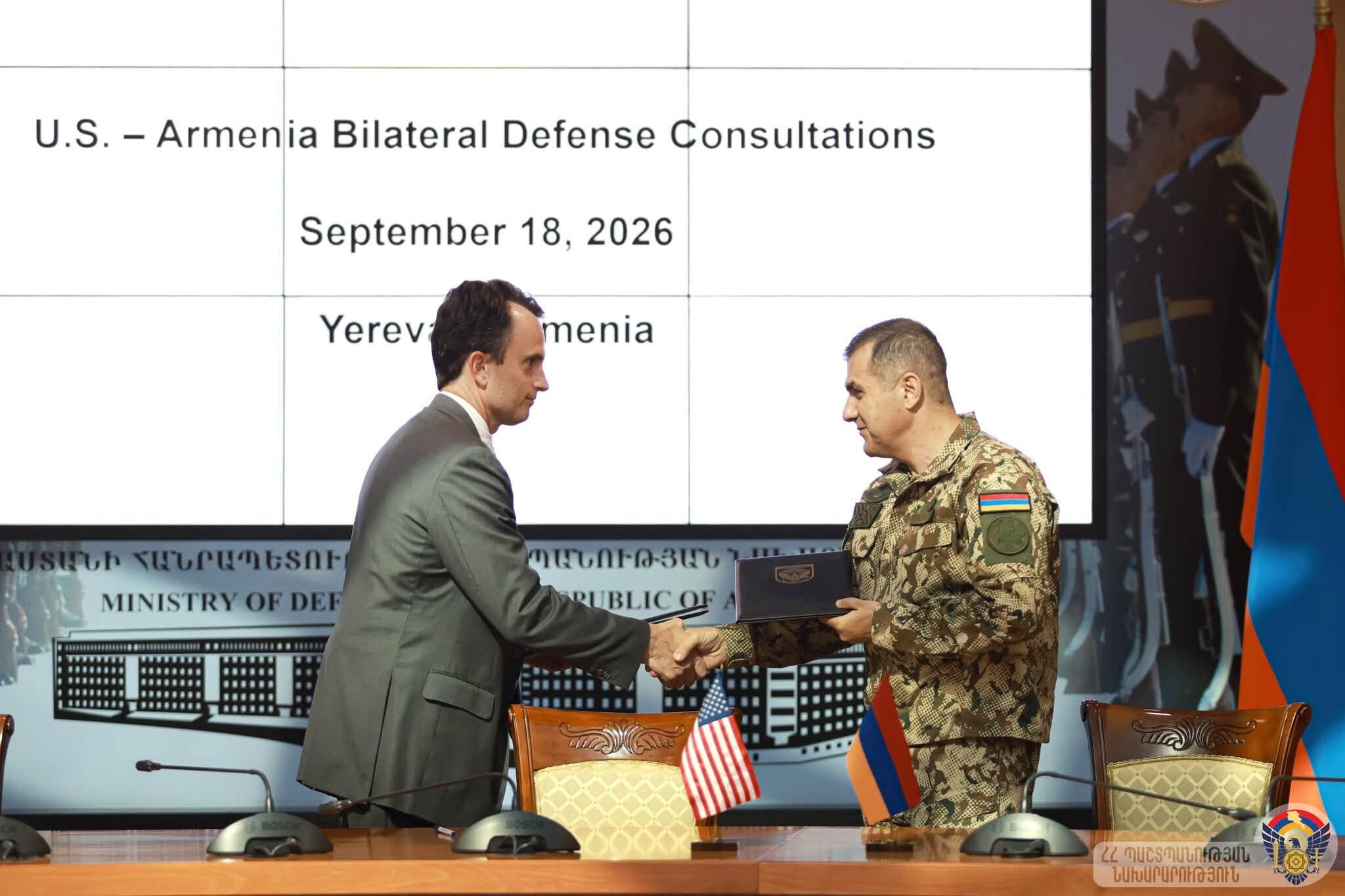
In a recent statement, a senior official from the Pentagon reaffirmed the United States' commitment to supporting Armenia's defense reforms. This announcement came after a series of discussions aimed at enhancing military cooperation between the two nations. The ongoing support reflects a strategic partnership that has been developing over the years, particularly in light of the evolving security landscape in the South Caucasus region.
The discussions took place against a backdrop of heightened tensions in the region, particularly following the 2020 Nagorno-Karabakh conflict. The U.S. has recognized the importance of a stable and secure Armenia as a counterbalance to regional threats. By investing in Armenia's defense capabilities, the U.S. aims to promote peace and stability in an area that has historically been fraught with conflict.
Key elements of the defense reforms include modernization of military equipment, training programs for Armenian forces, and strategic advisory support from U.S. military experts. These initiatives are designed to enhance Armenia's operational capabilities and ensure that its armed forces are better prepared to respond to potential threats. The Pentagon official noted that these reforms are crucial for Armenia's sovereignty and territorial integrity.
Moreover, the U.S. support is not only limited to military enhancements but also extends to broader security cooperation. This includes intelligence sharing, joint exercises, and participation in international peacekeeping missions. Such collaborations are vital for Armenia as it navigates complex geopolitical dynamics and seeks to strengthen its defense posture.
The implications of this support are significant for the Armenian-American community. Many members of the diaspora are keenly aware of the challenges facing Armenia and view U.S. assistance as a crucial lifeline. The commitment from the U.S. government is seen as a positive development that could lead to greater stability and security for Armenia, which is a primary concern for many Armenian-Americans.
Looking ahead, it is expected that the U.S. will continue to engage with Armenia on defense issues, potentially leading to more comprehensive agreements. This could include increased funding for defense projects and further integration of Armenian forces into NATO standards. As Armenia continues to implement its defense reforms, the role of the U.S. will likely remain pivotal in shaping the future of its military capabilities.
In conclusion, the Pentagon's reaffirmation of support for Armenia's defense reforms marks a significant step in U.S.-Armenian relations. As both nations work together to address security challenges, the Armenian-American community will be watching closely, hopeful that these developments will lead to a more secure and prosperous future for Armenia.