
 Russian
 Armenian
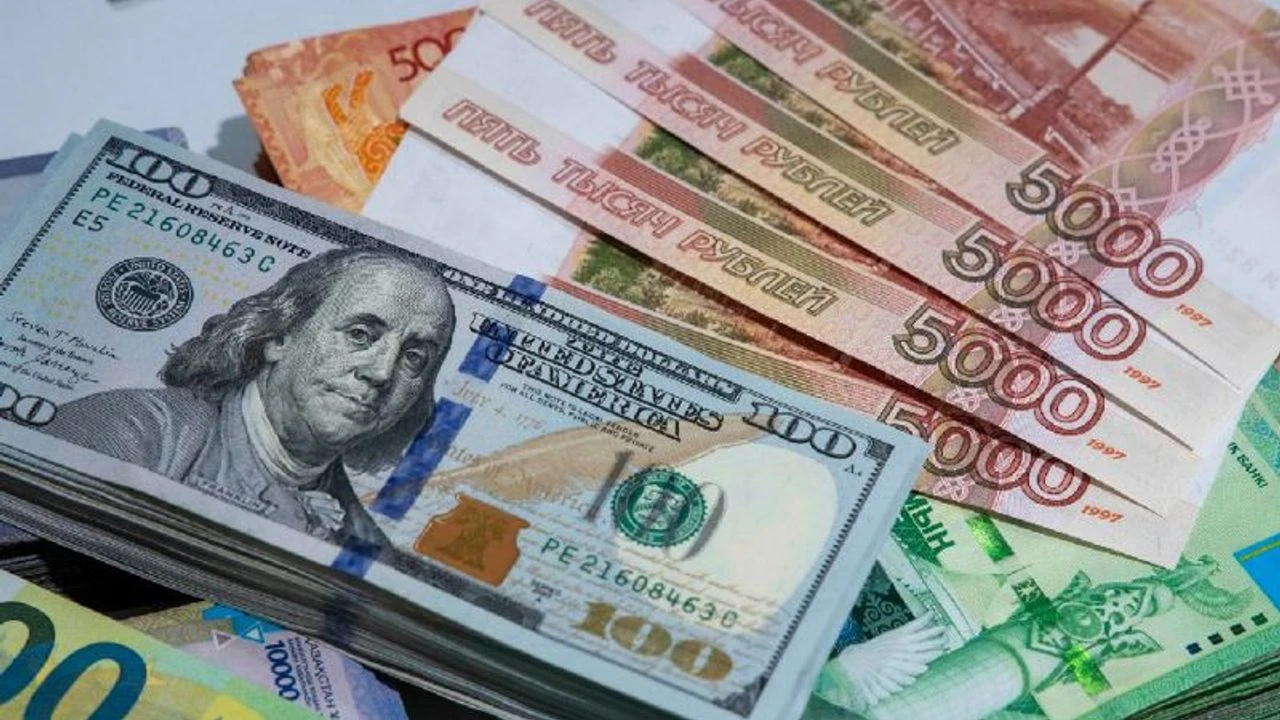
Recent reports indicate a notable decline in the exchange rates for both the US dollar and the euro in Armenia. This shift is significant as it impacts the local economy, affecting everything from consumer prices to business transactions. As of the latest updates, the US dollar has dropped in value against the Armenian dram, a trend that is likely to have various implications for residents and businesses across the country.
The Central Bank of Armenia has been actively monitoring these fluctuations, which are influenced by a variety of factors, including global economic conditions and local market dynamics. The depreciation of the dollar and euro may provide some relief to consumers who rely on imported goods, as lower exchange rates can lead to reduced prices for these products. However, it may also pose challenges for businesses that import materials or goods priced in these currencies.
For many Armenians, the exchange rate is a crucial aspect of daily life, particularly for those who travel abroad or engage in international business. The recent decline in the value of the dollar and euro could potentially enhance the purchasing power of those using the dram, allowing for more favorable conditions when buying foreign goods or services.
Economists suggest that this trend may be linked to a variety of factors, including changes in the global economy, shifts in trade policies, and the overall economic performance of Armenia. As the country continues to navigate its post-pandemic recovery, these exchange rate changes could also reflect broader economic stability or instability, which is of significant interest to both local and diaspora communities.
In the context of the Armenian-American community, the exchange rate fluctuations may affect remittances sent back home. Many families rely on financial support from relatives abroad, and changes in the value of the dollar can directly impact the amount received in Armenia. As such, this situation is particularly relevant for those with ties to the diaspora, who may be concerned about the implications for their loved ones back home.
Looking ahead, it remains to be seen how these exchange rate trends will evolve. Analysts will be keeping a close watch on economic indicators and the Central Bank's policies in response to these changes. The potential for further fluctuations in the exchange rates could lead to adjustments in monetary policy or other economic measures aimed at stabilizing the dram.
In conclusion, the recent decline in the US dollar and euro exchange rates in Armenia is a development that warrants attention from both local residents and the Armenian diaspora. As the economic landscape continues to shift, understanding these changes will be crucial for making informed decisions regarding spending, saving, and investment in the coming months.