
 Russian
 Armenian
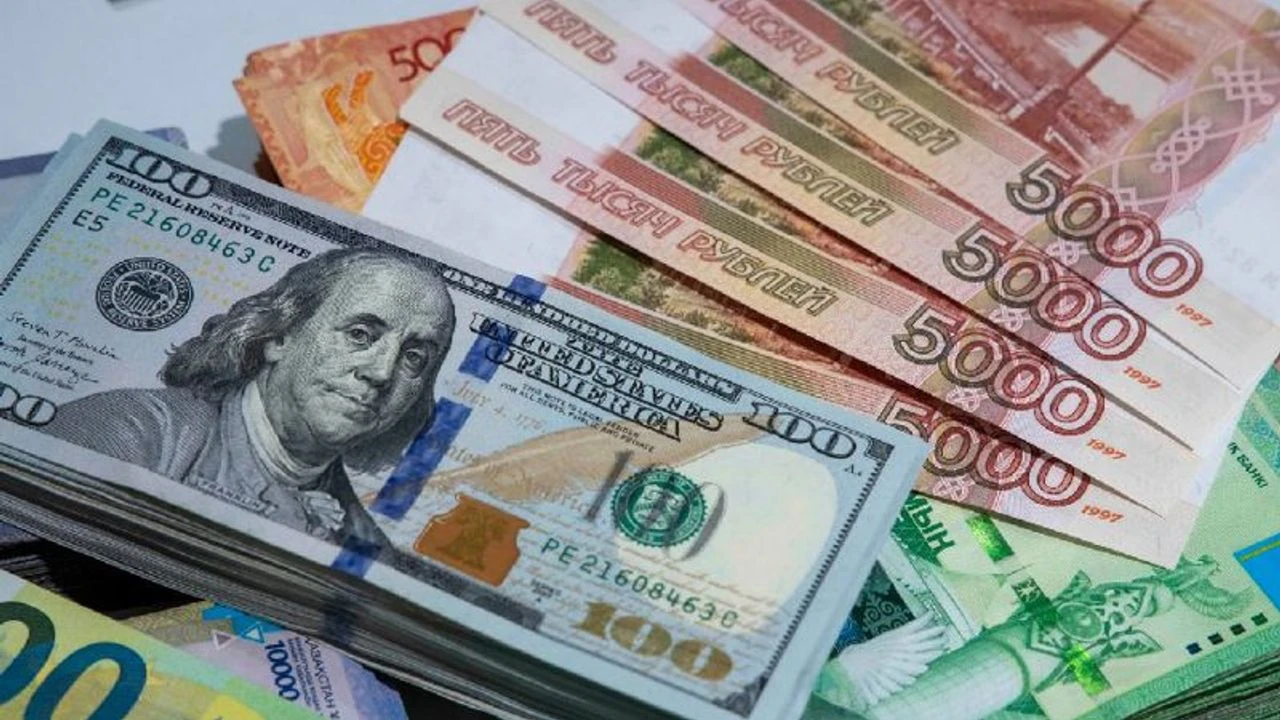
In recent days, the exchange rates for the US dollar and euro have seen a noticeable increase in Armenia, according to reports from local financial institutions. As of the latest updates, the dollar is trading at approximately 394 AMD, while the euro has reached around 422 AMD. This rise in exchange rates is significant, as it directly impacts the cost of imports and the overall economic landscape in the country.
The fluctuation in currency values is not an isolated incident; it reflects broader economic trends and geopolitical factors affecting Armenia. The strengthening of the US dollar and euro can be attributed to various global economic conditions, including inflationary pressures in the United States and the European Union. As these currencies gain value, the purchasing power of the Armenian dram diminishes, leading to potential increases in the prices of imported goods.
For Armenian consumers, the implications of rising exchange rates are profound. Many essential goods, particularly food and fuel, are imported, and as the cost of these imports rises, it could lead to higher prices at local markets. This situation may strain household budgets, particularly for families already facing economic challenges. The increase in prices could also contribute to inflation, affecting the overall economic stability of the country.
Businesses in Armenia are also feeling the effects of these currency fluctuations. Companies that rely heavily on imported materials may find their operational costs increasing, which could lead to higher prices for consumers. Some businesses may struggle to absorb these costs, potentially impacting their profitability and leading to difficult decisions regarding staffing and investment. The manufacturing and retail sectors may be particularly vulnerable to these changes.
In response to these challenges, the Central Bank of Armenia may consider adjusting its monetary policy to stabilize the dram and mitigate the impact of rising exchange rates. Such measures could include interventions in the foreign exchange market or adjustments to interest rates to encourage savings and investment in the local currency. The effectiveness of these strategies will be closely monitored by economists and policymakers.
For the Armenian-American community, these developments are particularly relevant. Many members of the diaspora maintain financial ties to Armenia, whether through remittances or investments. As the value of the dram fluctuates, it may affect the amount of money sent back home, which is a crucial source of income for many families in Armenia. Understanding these economic changes can help the diaspora make informed decisions regarding their financial support.
Looking ahead, it will be essential for both consumers and businesses in Armenia to adapt to the changing economic environment. Monitoring exchange rates and understanding their implications will be crucial for navigating the challenges posed by rising costs. Additionally, community leaders and policymakers will need to engage in discussions about strategies to support economic stability and growth in the face of these fluctuations.