
 Russian
 Armenian
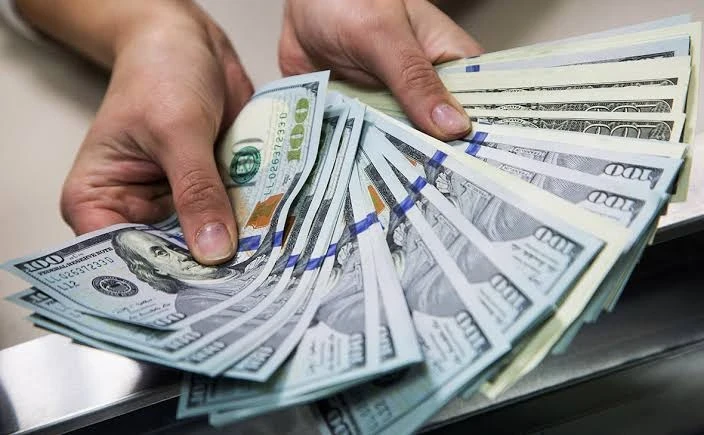
The exchange rate of the US dollar against the Armenian dram has recently seen a minor decrease, a development that could have notable implications for both consumers and businesses in Armenia. As of the latest reports, the dollar is trading at approximately 396.5 drams, marking a slight drop from previous rates. This fluctuation in currency value is part of a broader economic trend that has been observed in the region.
The decrease in the dollar's value can be attributed to various factors, including changes in global economic conditions, shifts in trade balances, and local market dynamics. Economists suggest that such fluctuations are not uncommon, especially in emerging markets like Armenia, where external economic pressures can significantly impact currency stability. The Central Bank of Armenia monitors these changes closely to implement necessary monetary policies aimed at stabilizing the dram.
For many Armenian consumers, a lower dollar exchange rate can lead to reduced costs for imported goods, particularly in sectors such as electronics, automobiles, and luxury items. However, it is essential to note that while some products may become more affordable, the overall impact on the economy can be complex. Businesses that rely heavily on imports may benefit from a stronger dram, but exporters could face challenges as their goods become more expensive for foreign buyers.
The Armenian government has been proactive in addressing currency fluctuations, often intervening in the foreign exchange market to ensure stability. This intervention can take the form of adjusting interest rates or utilizing foreign currency reserves to support the dram. Such measures are crucial for maintaining economic confidence among both local and foreign investors, which is vital for Armenia's ongoing development.
In the context of the Armenian diaspora, these exchange rate changes can also affect remittances sent back home. Many Armenians living abroad send money to their families in Armenia, and fluctuations in the dollar's value can influence how much their loved ones receive. A stronger dram means that recipients can get more value from the same amount of dollars, which can significantly impact household budgets and spending.
Looking ahead, experts suggest that the exchange rate may continue to fluctuate in response to both domestic and international economic conditions. Factors such as inflation rates, geopolitical developments, and global market trends will play a crucial role in determining the future trajectory of the dram against the dollar. Stakeholders in Armenia, including policymakers and business leaders, will need to stay informed and adaptable to navigate these changes effectively.
In conclusion, the recent slight decrease in the US dollar exchange rate against the Armenian dram is a reminder of the interconnectedness of global economies. As Armenia continues to develop its economic policies, understanding these dynamics will be essential for both local citizens and the diaspora community. Keeping an eye on future developments will help Armenians make informed financial decisions in an ever-changing economic landscape.