
 Russian
 Armenian
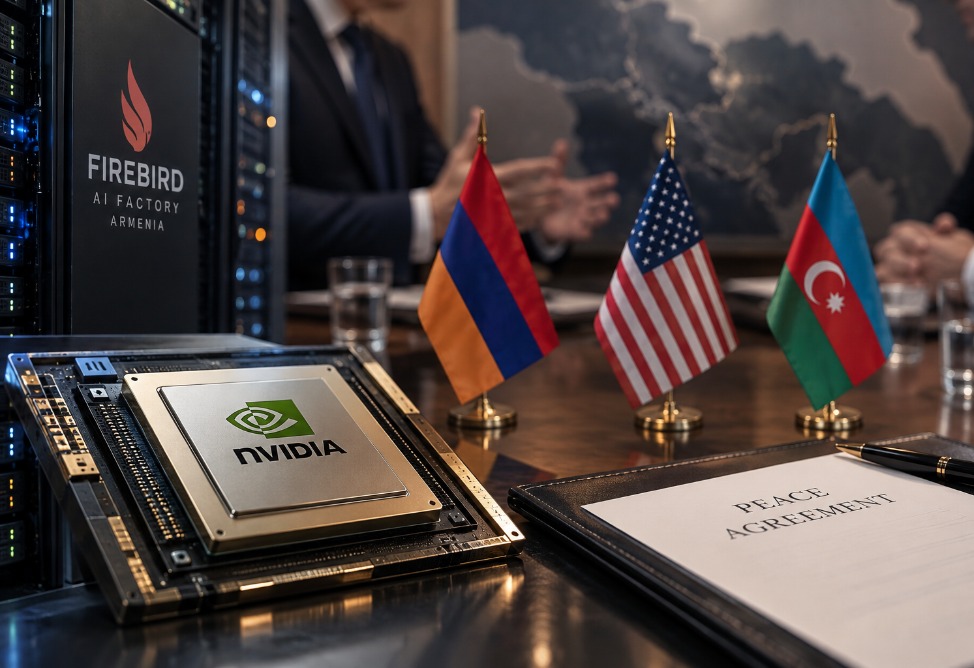
According to a recent report by the Wall Street Journal, the United States has strategically used Armenia's access to NVIDIA chips as a leverage point in ongoing negotiations with Azerbaijan. This development underscores the intersection of technology and international diplomacy, particularly in the volatile South Caucasus region. The use of advanced technology in diplomatic negotiations is a growing trend, reflecting the importance of technological resources in modern geopolitical strategies.
NVIDIA, a leading American technology company known for its graphics processing units (GPUs), has become a crucial player in various sectors, including artificial intelligence and gaming. Access to such technology can significantly enhance a country's technological capabilities and economic prospects. For Armenia, the ability to access NVIDIA chips could facilitate advancements in various industries, including IT and defense, which are vital for its economic development and national security.
The negotiations between the U.S. and Azerbaijan are part of a broader strategy to stabilize the region and counterbalance Russian influence. The U.S. has been increasingly involved in the South Caucasus, promoting democratic values and economic development while also addressing security concerns. By leveraging Armenia's access to critical technology, the U.S. aims to strengthen its ties with Yerevan and encourage Azerbaijan to adopt a more conciliatory approach in regional disputes.
This situation is particularly relevant for the Armenian-American community, as it highlights the potential benefits of U.S. involvement in Armenia's technological landscape. The diaspora has long been concerned about the geopolitical challenges facing Armenia, and this development could signal a more supportive U.S. policy towards Armenia. The Armenian-American community may view this as an opportunity to advocate for further technological investments and partnerships that could bolster Armenia's economy.
Furthermore, the implications of these negotiations extend beyond just Armenia and Azerbaijan. The involvement of the U.S. in this context may influence the dynamics of the Nagorno-Karabakh conflict and broader regional stability. As the U.S. seeks to mediate tensions, the outcomes of these negotiations could have lasting effects on the security and economic prospects of all countries involved.
Looking ahead, it will be essential for Armenia to navigate these complex negotiations carefully. The potential access to NVIDIA chips could serve as a catalyst for economic growth, but it also comes with the responsibility of managing relationships with both the U.S. and Azerbaijan. Armenia's leadership will need to ensure that any agreements made do not compromise its sovereignty or national interests.
In conclusion, the use of Armenia's access to NVIDIA chips as a negotiating tool by the U.S. reflects the intricate relationship between technology and diplomacy. For the Armenian-American community, this development presents both challenges and opportunities as they continue to engage with issues affecting Armenia's future. As negotiations progress, the community will be closely watching the outcomes and their implications for Armenia's technological and economic landscape.