
 Russian
 Armenian
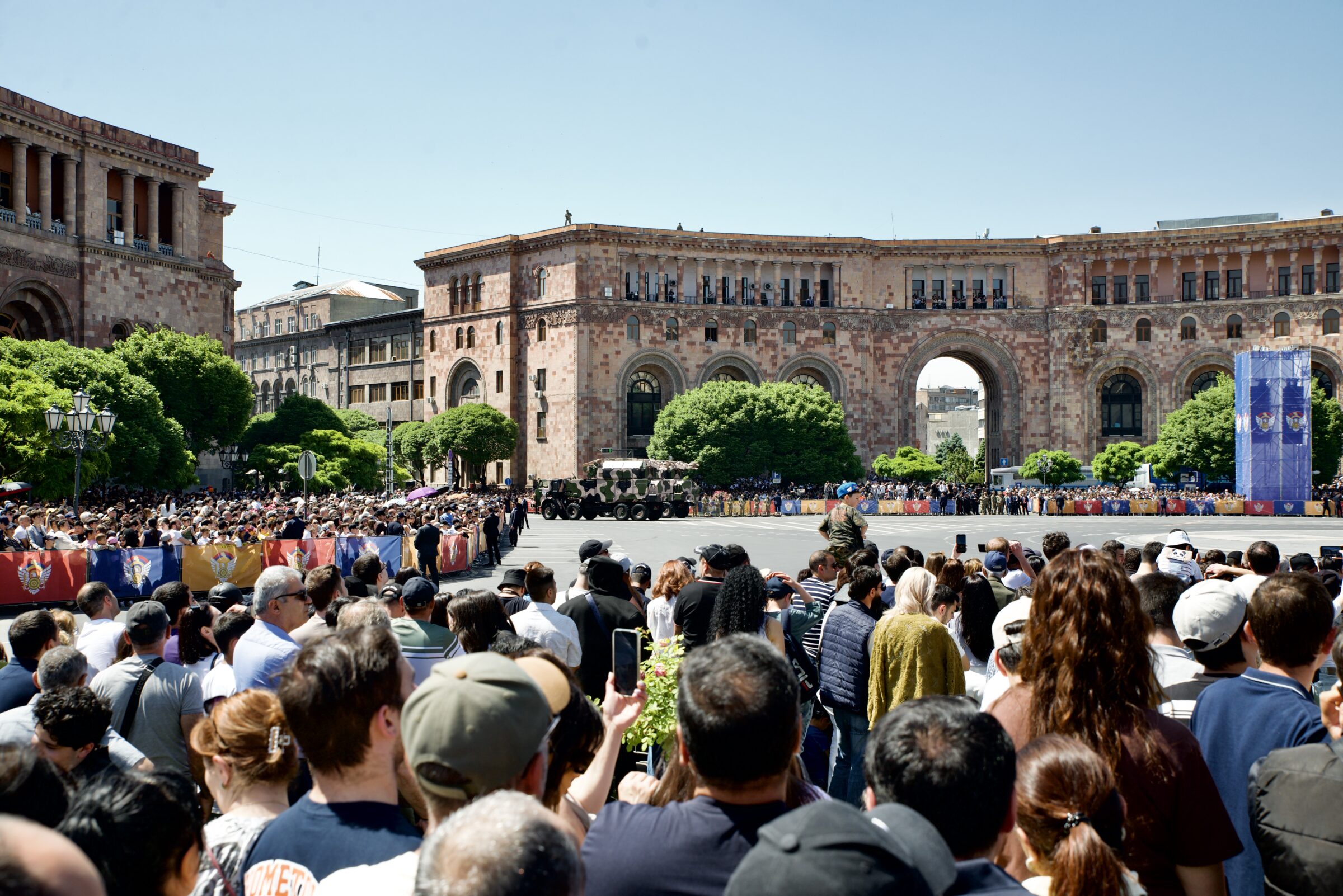
Armenian Prime Minister Nikol Pashinyan has recently been re-elected for a third term, a significant milestone that underscores Armenia's commitment to a pro-European Union (EU) trajectory. This political shift is particularly notable given the backdrop of increasing tensions with Russia, which has historically been Armenia's closest ally. Pashinyan's victory is seen as a pivotal moment for Armenia as it navigates its foreign relations and seeks to strengthen ties with Western nations.
The elections, held amid a climate of political uncertainty and public discontent over economic challenges, saw Pashinyan's party, the Civil Contract, emerge victorious. His administration has been vocal about its desire to deepen Armenia's integration with the EU, a move that resonates with many citizens who are eager for reform and modernization. The pro-EU stance is not only a strategic pivot but also a response to the changing dynamics in the region, particularly following the 2020 Nagorno-Karabakh conflict.
Historically, Armenia has maintained a close relationship with Russia, relying on Moscow for military support and economic ties. However, the recent geopolitical landscape has prompted a reevaluation of this alliance. Pashinyan's government has faced criticism for its handling of the conflict with Azerbaijan and the perceived inadequacies of Russian support during that crisis. As a result, there is a growing sentiment among the Armenian populace for a more independent foreign policy that prioritizes relations with Europe.
In his victory speech, Pashinyan emphasized the importance of sovereignty and the need for Armenia to pursue a path that aligns with its national interests. He articulated a vision for a democratic and prosperous Armenia that is firmly integrated into European structures, which is crucial for attracting foreign investment and fostering economic growth. This vision is particularly appealing to the younger generation, who are increasingly looking toward Europe for opportunities and partnerships.
The implications of Pashinyan's re-election extend beyond domestic politics; they signal a broader shift in Armenia's foreign policy orientation. As the country seeks to strengthen its ties with the EU, it may face pushback from Russia, which has historically viewed Armenia as part of its sphere of influence. Observers note that Moscow may respond with increased pressure or attempts to undermine Pashinyan's government, making the coming months critical for Armenia's political stability.
For the Armenian-American community, Pashinyan's renewed mandate may offer new avenues for engagement and support for Armenia's European aspirations. Many in the diaspora are keenly interested in the developments back home, especially as they relate to human rights, democratic governance, and economic reforms. The community's involvement could play a vital role in advocating for Armenia's interests in the U.S. and fostering closer ties between Armenia and the West.
Looking ahead, it will be essential for Pashinyan to navigate the complexities of both domestic and international politics. His administration will need to balance the aspirations of the Armenian people for a European future with the realities of regional security and the historical ties to Russia. As Armenia embarks on this new chapter, the actions taken by Pashinyan and his government will be closely watched by both supporters and critics alike, shaping the future of the nation in a rapidly changing geopolitical landscape.